Browsed by
Category: News

Digital Banking Framework Boosts Financial Access

Digital Banking Framework Boosts Financial Access

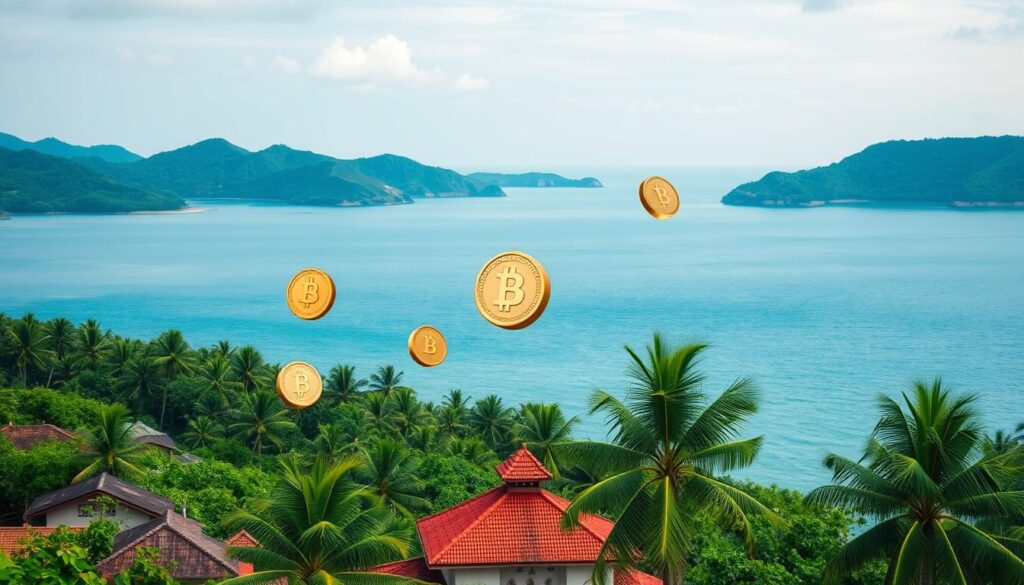
The financial world is changing fast with the rise of Digital Banking. This change is reshaping how we talk and work with banks. The Central Bank of Sri Lanka has stepped up. They launched a big plan for Digital Banking. It aims to make financial services available to more people in the country. This plan started with a new law, the Central Bank of Sri Lanka Act No. 16 of 2023, in September 2023.

Today, about 31% of adults around the globe don’t have bank accounts. But, the rise of tech like mobile money shows a bright future. Sri Lanka is leading the charge in this change. The country’s policies focus on making banking accessible for everyone. With digital tools, Sri Lanka wants to help the 1.7 billion unbanked adults. Many of these people already have a mobile phone, a key tool for growth.

Central Bank Introduces Digital Banking Framework to Enhance Financial Inclusion

The Central Bank is working hard to improve digital tools and create solid banking rules. This is to keep the economy stable. Thanks to these efforts, the Sri Lankan rupee is stronger, and the country’s reserves have grown since March 2023. Another move is making the Sri Lanka Deposit Insurance Scheme stronger with World Bank’s help. This shows a deep commitment to protecting customers and boosting the banking world.

To support this goal, the Central Bank introduced a new Digital Banking Framework. It lays out clear rules and guidelines. This shift has led to easier monetary policies. For example, there were cuts in policy interest rates and limits on rates for some loans in late 2023. In 2023, rates dropped by 650 points, and another 50 points in March 2024. These changes are about making it easier to get credit and grow the economy. They show that digital banking is key to the future of finance.

The Evolution of Banking Toward Digital Financial Inclusion

The Evolution of Banking has changed from Traditional Banking Models to advanced digital platforms. This brings a new era of Digital Financial Inclusion. Around the world, banks are now focusing on User-Friendly Banking Solutions. These solutions improve Customer Experience and Accessibility in Banking. Thanks to technology and policy improvements, we’re moving toward a more inclusive financial world.

The Shift From Traditional to Digital Banking Models

Digital platforms lead today’s banking innovations. Traditional banking, with its limits, is making way for digital banking solutions. This change means banking services are available anytime, improving convenience and availability drastically.

Advent of Mobile and Internet Banking Services

The rise of mobile and internet banking services is a key development. These services use technologies like biometric security and real-time notifications. They make banking more convenient, secure, and trustworthy. Central banks worldwide are supporting digital banking, speeding up its growth and use.

Improved Accessibility and Customer Experience

Digital banking has made services more accessible for everyone. Innovations like peer-to-peer payments and digital wallets have transformed how we bank. Now, even those in remote areas or previously underserved groups have better access, promoting financial inclusion.

Aspect Traditional Banking Digital Banking
Accessibility Limited by location and time 24/7 accessibility, global reach
Customer Experience Standardized services Personalized, user-friendly solutions
Innovation Incremental improvements Rapid, technology-driven changes

This evolution merges technology with finance, showing a move toward more flexible, efficient banking. The path of banking innovation is still unfolding, promising a bright future for financial services.

Central Bank Introduces Digital Banking Framework to Enhance Financial Inclusion

The Central Bank of Sri Lanka is leading the way with Digital Banking Regulations to improve access to financial services. It’s using technology’s power to make finance more available to everyone. A digital banking framework has been rolled out to help more people get banking services.

This framework focuses on bringing new financial products to those without bank accounts or with limited banking access. It aims to create a supportive space for financial tech innovations. This way, every citizen can access banking that’s both safe and affordable.

The FinTech Regulatory Sandbox, launched in 2019, was a big move by the Central Bank. It’s a space where new tech can be safely tried out. This helps companies bring new services to the public faster and with fewer risks.

According to the Central Bank, this initiative aligns with the broader goal of transitioning to a less-cash society, supported by digital solutions that enable efficient financial intermediation and higher levels of financial inclusion.

Central Bank statistics show the positive effects of these moves. For example, adjusting policy interest rates has helped keep the economy stable. Stability is key for the growth of digital finance in the long term.

  1. Facilitation of innovations in financial products and services.
  2. Reduction in transaction costs and improvement in service delivery.
  3. Creation of opportunities for the unbanked to participate in the financial system.

Through its focus on digital banking regulations, the Central Bank is boosting economic growth and making financial inclusion a reality for all in Sri Lanka. These actions highlight how digital advancements can lead to a financial system that’s fair for everyone.

Key Benefits and Features of Digital Banking Solutions

Digital banking changes how people access and use money. It integrates Mobile Banking Empowerment, Innovative Banking Features, and Cost Saving in Banking. These changes much improve how banks work and serve us.

Mobile Banking and User Empowerment

Mobile banking lets people handle their money easily and safely. Its popularity has grown a lot, helping banks reach more people. For example, the State Bank of India’s YONO app got over 26 million users in 18 months. Systems like these make banking available to everyone and give users more control.

Cost Saving and Efficiency for Financial Institutions

Going digital helps banks save a lot. They make more money and spend less by using digital tools. Digital banking also cuts down manual work. This means banks can offer better deals, showing the big benefits of going digital.

Innovative Banking Features Fueling Financial Inclusion

Digital banking is not just for basic banking. It lets people open accounts quickly from anywhere. This is key to helping more people use banking services. Banks use smart tech to make services fit each user better. This makes customers happy and helps banks reach more people.

Digital banking offers many services, from paying bills to getting investment advice. It opens banking to more people, helping the economy grow.

Feature User Impact Efficiency Gain
Mobile Banking Apps Enhanced Accessibility Reduction in Physical Branch Visits
Digital KYC/AML Protocols Instant Account Setup Reduced Operational Hassle
AI-driven Personalization Tailored Financial Advice Improved Customer Retention

Digital Banking Solutions create a new way to manage money. They make financial services available to more people. This helps achieve goals for global development and fairness.

Expanding Financial Access through Digital Infrastructure and Policy

Our world is now digital, and having access to financial services is key to growing the economy. Many countries have invested heavily in improving their digital setups. This is so people everywhere, especially in less developed places, can use these services. Places like China, Egypt, and Mexico have seen big investments, aiming to make banking and payments online easier for everyone.

Creating policies tailored for digital finance is another big step. The Digital ID Working Group pushes for using digital IDs. This helps users interact with financial services safely and smoothly. It opens doors for more people to participate in banking without worry. Guidelines like the Toolkit for Regulatory Authorities show how these steps can make a big difference.

Digital platforms, like M-Pesa in Kenya, show how impactful online banking can be. It has made a big difference in Kenya, where many people use their phones for banking. Such success stories are what OMP Sri Lanka focuses on sharing. They keep an eye on significant trends, including Sri Lanka’s economic crisis. These efforts point out how a stable economy with wide financial inclusion is within reach. All it takes is continuous work on policies and infrastructure.
Sri Lanka: Govt Peace Talks with Tamil Political Groups

Sri Lanka: Govt Peace Talks with Tamil Political Groups

The government of Sri Lanka has taken a significant step by discussing peace with the Tamil minority. This comes after years of fighting. These talks are important for healing wounds and building a stable future. They include discussions with various Tamil groups, such as the LTTE.

The focus is now on talking rather than fighting, thanks to a ceasefire in 2002. This shift is crucial despite many challenges. Events like the attack on Bandaranaike International Airport and financial challenges due to global anti-terrorism efforts show why peace is needed. Both sides see the value in finding a peaceful solution.

Key Takeaways

  • Peace negotiations between the Government of Sri Lanka and Tamil political groups pursue sustainable conflict resolution strategies.
  • Government reconciliation efforts are crucial for addressing the long-standing issues of the Tamil ethnic minority.
  • The peace process is shaped by both internal factors and international responses, with the attacks on economic targets and tighter financial scrutiny prompting both sides to the negotiating table.
  • The 2002 ceasefire and subsequent peacebuilding initiatives represent critical milestones in Sri Lankan political dialogue.
  • Global anti-terrorism sentiment and Norwegian mediation have influenced the peace talks, yielding discussions on federal solutions within a united Sri Lanka.
  • Commitments to rehabilitative and humanitarian needs underline the process, with focus points like the North-East Reconstruction Fund and gender representation in the peace process.

Historical Context of Sri Lankan Peace Efforts

The peace process in Sri Lanka has faced many challenges. It sought to mend the rift between the government and the Tamil minority. The history of these efforts shows a hard journey towards solving the conflict. It also shows the importance of working together internationally, having political unity, and the impact on communities.

The Role of Norway in Sri Lanka’s Peace Negotiations

Norway played a big role in Sri Lanka’s peace efforts starting in 2000. This began with Erik Solheim being named a special advisor. Norway helped with many peace talks. These efforts greatly helped in building lasting peace initiatives.

Tensions and Demands between Sri Lankan Government and LTTE

In the early 2000s, there was tension over disarming the LTTE and lifting economic blockades. These issues were key in the peace talks. They highlighted the need for fair economic opportunities for the Tamil minority in Sri Lanka.

Impact of Political Dynamics on the Peace Process

The rivalry between Sri Lanka’s main political parties caused instability. It affected the efforts to reconcile. The election of the United National Front in 2001 brought new hope for the peace process.

The Significance of the Ceasefire Agreement of 2002

The Ceasefire Agreement in February 2002 was a turning point. It was watched over by the Sri Lanka Monitoring Mission. This agreement led to key negotiations, saved lives, and helped provide important services. It did this by opening the A-9 Vavuniya-Jaffna road again.

Year Event Impact
2002 Ceasefire Agreement Signed Initiated a monitored peace process, saving lives and reducing violence
2003 LTTE Suspends Talks Exposed vulnerabilities in the peace process due to international diplomatic dynamics
2003 Political Rivalry in Government Impacted stability, highlighting the need for stronger internal consensus for peace

The journey to peace in Sri Lanka shows the challenge of including different ethnic groups and political views in one national plan. It underlines the need for a dedicated and inclusive effort in peace talks. Plus, it highlights the importance of a lasting peace process.

Government Engages in Peace Talks with Tamil Political Groups

The Sri Lankan government is taking big steps toward peace. They are starting serious talks with the Tamil ethnic groups. This move is to solve a long conflict that led to violence and stopped the country from coming together.

Establishment and Mandate of the SCOPP

In the mid-1990s, amidst civil unrest, the People’s Alliance (PA) government started peace talks. They had the support of many in parliament. Then, they set up the Secretariat for Co-ordinating the Peace Process (SCOPP) in the Prime Minister’s office. The SCOPP helps organize and put into action the government’s peace plans.

Opening of the A-9 Vavuniya-Jaffna Road and Its Implications

The opening of the A-9 Vavuniya-Jaffna road was a big deal. It’s vital for economy and travel in the Tamil-majority north. It showed the government’s commitment to reducing tensions and boosting the area’s economy. This move was a sign of hope for a more inclusive and peaceful future for Tamil regions.

Measures Aiming at Conflict De-escalation and Normalization

The government also lifted bans on the LTTE and swapped prisoners of war. They set up groups to focus on important issues like political power-sharing and quick help for those affected by the war. These actions are not just quick fixes but are aimed at creating lasting peace. They show the government’s effort to make real progress in ending the conflict.

Sri Lanka’s GDP Contracts by 7.8% in 2022; Recovery Ahead

Sri Lanka’s GDP Contracts by 7.8% in 2022; Recovery Ahead

The Sri Lankan economy shrank by 7.8% in 2022 amid an unprecedented crisis. Industry suffered the most, contracting by 16.0%. Agriculture also declined, shrinking by 4.6% that year.

Inflation skyrocketed from 5.9% in 2021 to 46.4% in 2022. This led to a 9.0% drop in private consumption. The central bank hiked policy rates by 1,050 basis points to fight inflation.

Gross capital formation fell by 24.9% in 2022. This further added to the economic downturn. However, signs of slow recovery are emerging.

The fiscal deficit decreased to 10.2% of GDP in 2022. Government spending fell from 15.6% of GDP in 2021 to 14.6% in 2022. Revenue remained steady at 8.3% of GDP.

Protecting the poor is vital during this crisis. They’ve been hit hardest by economic troubles. Recovery may take time, but targeted reforms can help.

International support, like the FAO and Norad fisheries project, is crucial. With these efforts, Sri Lanka can build a more stable future.

Key Takeaways

  • Sri Lanka’s GDP contracted by 7.8% in 2022, with industry and agriculture sectors significantly affected.
  • Inflation soared to 46.4% in 2022, leading to decreased private consumption and increased policy rates.
  • The fiscal deficit narrowed to 10.2% of GDP in 2022, and government recurrent expenditure decreased.
  • Protecting the poor and vulnerable is crucial as Sri Lanka navigates the economic crisis.
  • Gradual recovery is expected with targeted reforms and international support.

Economic Crisis and Contraction in 2022

Sri Lanka faced a severe economic crisis in 2022. The country’s GDP contracted by 7.8%. This crisis stemmed from pre-existing vulnerabilities, policy missteps, and external shocks.

Foreign currency reserves dwindled, causing scarcity of essential goods. An acute energy crisis worsened the country’s fiscal challenges. These factors left Sri Lanka ill-prepared to handle the economic storm.

Factors Contributing to the Economic Crisis

The Sri Lankan rupee depreciated by 44.8% year-on-year in 2022. Inflation rates soared to 46.4%. The country heavily relied on indirect taxes for revenue.

State-owned enterprises (SOEs) were loss-making and depended on government financing. Guaranteed SOE debt totaled 5.6% of GDP by the end of 2022.

Impact on Various Sectors and Living Standards

The crisis affected many sectors. Industry contracted by 16.0%, agriculture by 4.6%, and services by 2.0%. Construction, manufacturing, real estate, and financial services were hit hard.

The human cost was devastating. Half a million jobs were lost. Food insecurity and malnutrition increased. Poverty rates doubled and inequality widened.

Some sectors showed resilience. Smallholders in the Climate Smart Irrigated Agriculture Project saw income improve by 13%. This contrasted with a 19% drop for non-participating households.

The government is now focusing on debt restructuring and reforms. They aim to stabilize the economy and foster recovery. Support from the IMF and international partners is crucial.

The road ahead is challenging. However, resilient sectors and targeted interventions offer hope. A gradual turnaround may be possible with continued efforts.

Fiscal Challenges and Reform Measures

Sri Lanka faces major fiscal challenges amid its economic crisis. The Treasury ran a primary budget deficit of 5.7% of GDP in 2021. The government has taken steps to address these issues through reform measures.

Tax cuts from 2019 have been reversed. Partnerships focusing on precision agriculture are being developed to boost productivity. These efforts aim to promote sustainable practices in the agriculture sector, which shrank by 4.6% in 2022.

Reversal of Tax Cuts and IMF Extended Fund Facility Arrangement

The IMF’s Extended Fund Facility arrangement approval is a crucial step for Sri Lanka’s economy. This bailout package aims to help regain macroeconomic stability. The government is implementing structural reforms to enhance revenue and stabilize the economy.

These reforms include cost-reflective utility pricing and changes in trade and investment. State-owned enterprises and social protection systems are also being reformed. These measures are designed to address the country’s fiscal challenges effectively.

Debt Restructuring Efforts and Stabilization

Sri Lanka is working on debt restructuring with external creditors. In July 2023, Parliament approved a domestic debt restructuring strategy. This shows the country’s commitment to economic recovery.

These adjustments may initially impact growth, poverty, and inequality. However, they’re necessary to correct imbalances and regain access to international financial markets. The Climate-Smart Agriculture Investment aims to strengthen farming against climate change impacts.

There are signs of hope for Sri Lanka’s economic recovery. The Agriculture Sector Modernization Project generated about $141 million in new export earnings. The Climate Resilience Multi-Phase Program helped 11.5 million people across 22 districts.

Shehan Karunatilaka’s 2022 Booker Prize win for “The Seven Moons of Maali Almeida” brought international recognition to Sri Lanka. This literary success offers a glimmer of hope amid the country’s economic challenges.

Sri Lanka Parliament Dissolved, November Elections Set

Sri Lanka Parliament Dissolved, November Elections Set

A significant development has taken place in Sri Lanka, as announced by OMP Sri Lanka. The Dissolution of Parliament was officially declared. This event occurred just after midnight on September 24th, when the legislative body was dissolved by President Anura Kumara Dissanayake. This is a monumental decision in the country’s history. It paves the way for a crucial election on November 14.

After winning the presidency in an election with high voter turnout, President Dissanayake is moving forward with his agenda. He aims to tackle corruption and economic challenges. The announcement of the Election, after dissolving the parliament, is a key moment. It signals major policy changes and efforts to meet the International Monetary Fund (IMF) bailout terms.

Key Takeaways:

  • President Anura Kumara Dissanayake used his power to disband the Parliament. This marks a vital step for Sri Lanka’s governance.
  • The upcoming general election on November 14 is a pivotal time for the country’s future.
  • President Dissanayake’s election victory showed huge public support, marking a significant change from the 2019 results.
  • The previous administration’s economic problems and high inflation highlighted the public’s desire for change.
  • Ensuring stability and prosperity are priorities, with plans for tough anti-corruption actions and expanding social welfare.
  • Investors are cautious about the financial sustainability regarding the new economic policies announced.
  • The position of the Janatha Vimukti Peramuna in the assembly poses a hurdle to achieving majority representation.

President Dissanayake Dissolves Parliament, Calls for November Elections

In a bold move, President Anura Kumara Dissanayake of Sri Lanka has dissolved Parliament. This action marks a significant change in the country’s political scene. Based on Article 70 of the Sri Lankan Constitution and the Parliamentary Elections Act, the President made this decision. Now, Sri Lanka is set for early Elections, sooner than originally planned.

The Exercise of Constitutional Powers by President Anura Kumara Dissanayake

President Dissanayake used his Constitutional powers wisely and legally. By invoking Article 70, he ended the current Parliament’s session. His party had only three seats out of 225. This important step is expected to lead to major changes in Sri Lanka’s government.

Setting the Stage: Article 70, the Constitution and the Parliamentary Elections Act

Sri Lanka’s laws clearly lay out how to dissolve Parliament and organize new elections. The President has this power thanks to Article 70. The Parliamentary Elections Act gives details on election procedures. These rules ensure a fair and democratic election process in Sri Lanka.

Expected Political Realignments and Candidature Announcements

After President Dissanayake’s announcement, many political leaders are getting ready for the elections on November 14. For example, Mahinda Rajapaksa is adjusting his strategy anticipating how voters will react. Harini Amarasuriya, the new Prime Minister, is focusing on issues like youth development, child protection, and gender equality. Her approach could majorly affect the upcoming elections.

President Dissanayake’s decision to dissolve Parliament is stirring up Sri Lanka’s politics. As the country moves towards these important Elections, all eyes are on how these changes will influence Sri Lanka’s future.

Impact of Parliamentary Dissolution on Political Landscape

Sri Lanka’s political scene is changing with the Parliament’s dissolution. President Anura Kumara Dissanayake made this bold move. It shows his dedication to solving longstanding governance problems.

These challenges grew due to economic crises and ongoing instability. This step into a new phase shows hope for better governance.

Timeline of Events Leading to the Dissolution of Parliament

The journey to change began with the National People’s Power alliance’s (NPP) election success. Their rise was helped by the Janatha Aragalaya protests. People were upset with the old system. This led to calling for general elections.

These elections hinted at a major shift in electoral politics. A new chapter for the nation seemed ready to start.

Reactions from Political Parties and Government Officials

The reactions to the Parliament’s dissolution were mixed. Some were worried, while others supported it. Political parties and officials have been vocal about it.

This shows a change in the direction of Sri Lanka’s politics. Everyone is getting ready for the upcoming elections with great interest.

Projections: Shifts in the Balance of Power and Governance

Experts are watching how this will change governance. President Dissanayake is seen as a unique leader. His approach might shift power balances.

This change could bring needed reforms. Especially if it addresses economic and social issues. High voter support for Dissanayake suggests people want this change.

There’s hope for a governance that tackles problems head-on. With Dissanayake’s leadership, Sri Lanka could move towards stability and sustainable growth. This is an exciting time for the country.

Sri Lanka Pays USD 503 Million for Debt Service in 2024

Sri Lanka Pays USD 503 Million for Debt Service in 2024

Sri Lanka’s external debt hit USD 37.5 billion by June 2024. The government is working hard to manage its debt and ensure timely repayments. This comes amid a tough economic situation for the country.

Sri Lanka Pays USD 503 Million for Debt Service During First Half of 2024

From January to June 2024, Sri Lanka paid USD 503 million in debt service. This included USD 275.1 million for principal repayments and USD 227.9 million for interest payments. These payments were part of the government’s interim debt standstill policy.

The policy aims to manage the nation’s debt while working towards economic recovery. Sri Lanka is committed to honoring its debt repayments. The country is also working with international creditors to ensure sustainable external debt.

Timely debt servicing remains a top priority for the government. The finance ministry is looking for ways to increase revenue and attract foreign investment. They also aim to promote sustainable economic growth to support debt management efforts.

Sri Lanka’s Growing External Debt Burden

Sri Lanka’s external debt has hit USD 37.5 billion as of June 2024. This comes from the Mid-Year Fiscal Position Report. The debt standstill policy, started in April 2022, led to suspended repayments and interest.

By 2019, Sri Lanka’s gross public debt reached 94 percent of GDP. This was high for emerging markets. External shocks worsened the situation from 2016 to 2019.

Total External Debt Reaches USD 37.5 Billion by June 2024

Sri Lanka’s rising external debt shows its tough road to recovery. The country is working to restructure its finances. In 2021, the current account deficit grew to 3.8 percent of GDP.

Challenges in Sustainable Debt Management and Economic Recovery

Sri Lanka faces major hurdles in managing debt and boosting its economy. In 2020, inflation hit 14.2 percent, above the Central Bank’s target. Gross international reserves fell sharply from 2019 to 2022.

Support came from Bangladesh, China, and India during the pandemic. Yet, Sri Lanka still struggles with debt restructuring and unpaid debt service. The country must find ways to grow while managing its external debt.

Breakdown of Debt Service Payments in First Half of 2024

Sri Lanka set aside $503 million for debt service payments in early 2024. This shows their dedication to managing international obligations during economic recovery. The payments were split between principal repayments and interest payments.

USD 275.1 Million Allocated for Principal Repayments

$275.1 million went towards principal repayments. These payments help reduce the overall debt burden. They also maintain Sri Lanka’s credibility with lenders and financial institutions.

USD 227.9 Million Covering Interest Payments

$227.9 million covered interest on bond payments and other financial tools. Interest payments reward creditors for lending funds. They also help Sri Lanka keep access to global money markets.

By meeting these obligations, Sri Lanka shows its commitment to financial promises. This helps maintain a stable economic environment for the country.

Impact of Debt Standstill Policy on Debt Accumulation

Sri Lanka’s interim debt standstill policy has led to significant unpaid debt accumulation. By June 2024, the policy resulted in USD 8.19 billion of unpaid debt service. This includes USD 5.67 billion in principal and USD 2.52 billion in interest.

The policy aimed to ease immediate financial pressures. However, the growing debt highlights the need for a comprehensive restructuring plan. Sri Lanka must work with the IMF and creditors to find a sustainable solution.

The IMF reports that 60% of low-income countries, including Sri Lanka, face high insolvency risk. These nations require debt relief to avoid economic collapse. Sri Lanka needs to explore innovative debt restructuring approaches.

One option is linking debt reduction to environmental conservation or sustainable development goals. By collaborating with the IMF and creditors, Sri Lanka can build a foundation for fiscal sustainability. This cooperation is key to long-term economic recovery.

The debt standstill’s impact underscores the need for effective global debt crisis tools. Policymakers must prioritize sustainable debt restructuring solutions. These should balance debtor and creditor interests while protecting critical sectors like health and education.

By addressing these challenges proactively, Sri Lanka can work towards a more stable future. Collaborative solutions are essential for the country’s prosperity and economic stability.