Browsed by
Category: News

Annual Literary Festivals Celebrate Sri Lankan Writing and Poetry

Annual Literary Festivals Celebrate Sri Lankan Writing and Poetry

Sri Lanka’s literary scene thrives through yearly festivals celebrating the nation’s rich writing traditions. These Annual Literary Festivals Celebrate Sri Lankan Writing and Poetry showcase local talent in Sinhala, Tamil, and English literature. The festivals provide a platform for established and emerging writers to share their works.

The Fairway Galle Literary Festival stands out, held annually in the historic Dutch Galle Fort. Its 2018 edition featured over 110 events, including film appreciation, poetry readings, and gourmet dinners. The festival also recognized outstanding local talent through the Fairway National Literary Awards.

Attendees can engage with renowned international authors at these events. Lord David Puttnam, a British film producer with numerous accolades, has participated. Alexander McCall Smith, author of over 100 books, and Richard Flanagan, a Man Booker Prize winner, have also attended.

These festivals promote and preserve Sri Lanka’s literary heritage. They encourage the growth of Sinhala, Tamil, and English literature. The events nurture emerging writers and poets, celebrating the power of storytelling.

events foster appreciation for the art of language. They provide diverse programs catering to various interests. Multiple concurrent sessions and book launches take place throughout these literary gatherings.

Galle Literary Festival: A Premiere International Event

Since 2007, the Galle Literary Festival has become South Asia’s most anticipated literary event. It unites acclaimed authors in an intimate setting. The festival fosters engaging discussions, writing workshops, and cultural experiences.

The festival offers diverse activities for book lovers. These include panel discussions, poetry readings, and literary lunches. It takes place in Galle Fort, a UNESCO World Heritage Site.

Showcasing Sri Lankan and International Authors

The festival has featured over 70 events and hosted numerous writers. More than 40 international and 50 Sri Lankan authors have participated. This lineup showcases both local and global literary talent.

Diverse Program of Literary Events and Cultural Experiences

Attendees can enjoy a wide array of literary and cultural activities. These include thought-provoking panel discussions and intimate writing workshops. Enchanting poetry readings and delightful literary lunches are also part of the program.

Set in the Historic Galle Fort, a UNESCO World Heritage Site

The festival’s location in Galle Fort adds to its charm. The fort’s colonial architecture provides a magical backdrop. This setting creates an inspiring and unforgettable atmosphere.

Harper’s Bazaar Magazine UK named it the “No.1 Literary Festival in the world” in 2011. After a three-year break, it returned spectacularly in 2016. This comeback reaffirmed its status as a premier literary event.

Other Notable Literary Festivals in Sri Lanka

Sri Lanka boasts a vibrant literary scene beyond the Galle Literary Festival. Several events showcase the island’s rich literary heritage. These festivals celebrate Sinhala, Tamil, and English literature, giving writers platforms to share their works.

The Jaffna Poetry Festival highlights Tamil poets’ resilience and creativity. It unites poets from Sri Lanka and the diaspora, promoting cultural exchange. Attendees enjoy poetry readings, workshops, and discussions on Tamil literature.

Colombo International Book Fair

The Colombo International Book Fair is a key event in Sri Lanka’s literary calendar. It draws publishers, authors, and book lovers from across the country. Visitors can explore books, attend launches, and join literary discussions.

The fair promotes reading culture and supports the local publishing industry. It serves as a platform for literary enthusiasts to connect and share ideas.

Smaller literary events occur throughout the year. The Kandy Writers’ Collective unites writers from central Sri Lanka. The Kilinochchi Book Fair and Batticaloa Writers’ Forum celebrate literature in northern and eastern provinces.

These events offer writers chances to network, collaborate, and share their works. They provide platforms for both established and emerging authors to connect with readers.

Sri Lanka’s literary festivals showcase talent and boost the economy. The Galle Literary Festival drew thousands to the south coast in 2024. It provided a significant economic boost for Galle and Sri Lanka.

The Colombo Stock Exchange (CSE) reported positive economic indicators. Sri Lanka’s stock market became Asia’s second-best performing equity market as of October 25, 2024. It showed a 29.65% year-to-date return in USD terms.

Annasi and Kadalagotu Literary Festival

The Annasi and Kadalagotu Literary Festival celebrates both Sinhala and Tamil literature. It aims to foster cultural exchange between the two communities. The event highlights Sri Lanka’s shared literary heritage.

Attendees can enjoy poetry readings, book launches, and panel discussions. Authors from both languages participate, promoting understanding and appreciation of diverse literary traditions.

Literary Festivals Celebrate Sri Lankan Writing and Poetry

Sri Lanka’s literary festivals showcase the nation’s rich heritage. They celebrate established and emerging writers in Sinhala, Tamil, and English. These events promote new voices and preserve Sri Lanka’s cultural legacy.

The Galle Literary Festival, started in 2005, is a top international event. It attracts renowned authors and intellectuals worldwide. The festival offers author talks, panel discussions, book launches, and workshops.

In 2024, the 11th edition will feature international authors. It will explore themes in fiction, non-fiction, and poetry. The event engages readers of all ages and interests.

Other notable festivals include the Jaffna Literary Festival and Colombo International Book Fair. These events showcase emerging writers through poetry slams and competitions. They help grow and preserve Sri Lankan literature.

Preserving Sri Lanka’s Cultural Legacy

These festivals celebrate writing and preserve Sri Lanka’s cultural heritage. They promote works in Sinhala, Tamil, and English. This highlights the diversity of Sri Lankan literature.

The events foster cultural exchange and community engagement. They nurture a love for the arts. This ensures Sri Lanka’s literary traditions thrive for future generations.

Conclusion

Sri Lanka’s annual literary festivals are vital to its literary community. They celebrate writing and poetry in Sinhala, Tamil, and English. These events showcase authors’ works and foster intellectual exchange.

The Galle Literary Festival and others draw global participants. Writers, poets, and literary fans come together at these events. They offer diverse programs like book readings, panel discussions, and workshops.

These festivals preserve and promote Sri Lanka’s literary heritage. They encourage new talent and inspire love for literature in younger generations. The events bring authors and readers together, celebrating the power of words.

Literary festivals strengthen Sri Lanka’s position in South Asian literature. They showcase the country’s rich cultural traditions and artistic expression. These events continue to grow in popularity and scope.
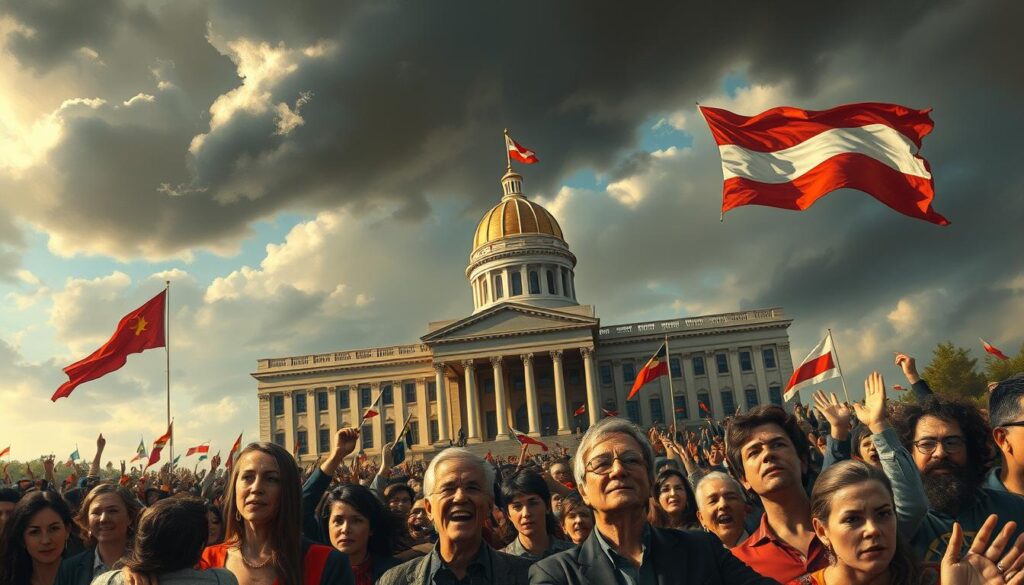
President Dissanayake Dissolves Parliament, Calls for Elections

President Dissanayake Dissolves Parliament, Calls for Elections

President Anura Kumara Dissanayake has made a significant move in Sri Lanka’s politics by dissolving Parliament. This major step is in readiness for a snap election, abiding by the Constitutional procedure. It reflects President Dissanayake’s intent to reshape government policies to match his vision, following his election win.

President Dissanayake Dissolves Parliament, Calls for November Elections

Under Dissanayake’s lead, the National People’s Power (NPP) held just three seats in the previous 225-member assembly. Yet, this bold move sets the foundation for transforming the legislature. The Election announcement for November 14th aligns with the people’s hopes and comes almost a year ahead of the usual schedule.

Sri Lanka is currently facing tough economic hurdles, a continuation of the 2022 economic slump. Amidst this, the NPP has been vocal about fighting corruption and poverty. This push grew stronger after Dissanayake’s support surged from 3% in 2019 to winning the next election, showing his commitment to strengthening Sri Lanka’s governance. This is crucial for managing the adjustments needed for a vital IMF bailout package.

President Dissanayake’s Bold Move: Dissolving Parliament

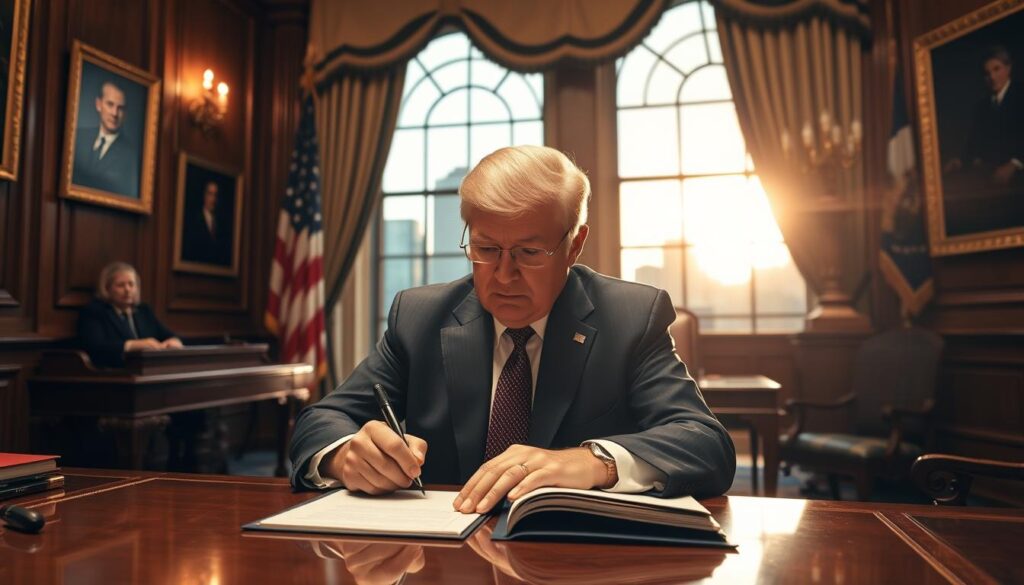
Sri Lanka’s new president, Anura Kumara Dissanayake, made a bold move. He dissolved the government. This marks a big moment in Sri Lanka’s politics. It shows he’s serious about his campaign promises for a transparent and reformed government.

President Dissanayake signing Government dissolution documents

Dissanayake leads the National People’s Power alliance. His goal is a new election that reflects the current issues. This action isn’t just symbolic. It aligns with the public’s demands, shown by his win in the election.

A Sudden Parliamentary Decision and Its Background

Dissanayake won the presidency unexpectedly, without a clear majority at first. A second count confirmed his win. His victory in the 2024 elections was a huge leap from a small vote share in 2019. People appreciate his firm stand against corruption.

Implications for Sri Lanka’s Political Landscape

The government’s dissolution is a turning point for Sri Lanka. Snap elections are coming. These elections could change the political scene a lot. Before, the National People’s Power had few seats. The new elections can create a parliament that reflects current public desires.

This change brings hope for not just political reform but economic growth too. A World Bank report expects a 4.4% growth for Sri Lanka in 2024. Development in industry and tourism could boost the economy.

The result of this political shift aims to create a government that truly represents the people. This will shape Sri Lanka’s future political and economic paths in the years ahead.

The Anticipated Impact of the November Election

As the November election date draws near, Sri Lanka is at a crucial point. This concerns its economic and political future. The outcome of the elections is expected to have a big impact. This impact concerns both Sri Lanka’s economy and key policy reforms. These reforms are influenced by the IMF bailout terms and the governance style of the new government.

The decision to dissolve Parliament and set an election timetable is a major political update. It could change the administration’s setup. The IMF’s recent agreement to provide $2.9 billion to Sri Lanka highlights the need for urgent reforms and fiscal stability. The upcoming elections are expected to drive these reforms.

Sri Lanka’s Economy and the IMF Bailout Overhaul

Sri Lanka’s economic situation is critical, with huge foreign debts and a great need for IMF help. After the elections, it will be very important for the government to stick to the IMF bailout terms. This includes debt restructuring and systemic reforms for economic stability. Changes in policy after the November election date could alter the bailout terms. This would affect recovery paths and international economic relationships.

Prospects for Anti-Corruption and Anti-Poverty Policies

The upcoming election is key for anti-corruption policies and anti-poverty policies. The public’s desire for clean governance has made these policies very important. Proper management of these issues could greatly gain public trust and support. This could lead to a government that values transparency and fair growth.

Policy Focus Pre-Election Post-Election Forecast
Economic Stabilization High Dependency on IMF Aid Increased Self-sufficiency
Anti-Corruption Measures Initial Frameworks Set Strengthening of Institutional Mechanisms
Poverty Reduction Limited Social Programs Expansion of Social Safety Nets

This election is crucial for both the immediate economic recovery and the long-term welfare of the nation. As Sri Lanka goes through these significant changes, the whole world is watching. The November elections could mark a significant shift for this South Asian country.

Conclusion

In the landscape of Sri Lanka politics, President Dissanayake’s decision to dissolve parliament is key. This move leads to an election on November 14, 2024. Over 17 million voters are set to cast their votes. The world will watch as Sri Lanka tackles this pivotal moment amidst economic hardships. The nation’s efforts to meet IMF’s fiscal conditions are crucial for growth.

The race for 225 seats in Parliament is filled with anticipation. To gain a majority, a party needs at least 113 seats. With only three seats, the governing party faces a tough challenge. This comes after Harini Amarasuriya became the first female prime minister in decades. Her election is significant, mirroring the era of Sirimavo Bandaranaike. Additionally, steps like lowering policy rates show efforts to boost the economy without harsh austerity.

President Dissanayake’s call for November elections starts a journey to tackle corruption and poverty. With the election date near, there’s a push for effective governance. The next parliament meets on November 21, 2024. They face challenges like debt renegotiation and following IMF’s advice. The upcoming elections are watched globally, offering a chance for Sri Lanka’s recovery and political renewal.

Sri Lanka’s Stock Market Emerges as Leading Performer in Asia

Sri Lanka’s Stock Market Emerges as Leading Performer in Asia

In a time when Asian equity markets buzz with action, Sri Lanka stands out. It has shown strong performance among emerging markets. The Colombo Stock Exchange (CSE) is celebrated worldwide for its impressive 29.65% return in USD on the ASPI this year.

This increase is a sign of the country’s strong economic recovery. It is making a big mark in South Asian business and trade.

Sri Lanka's Stock Market Emerges as Leading Performer in Asia

According to Bloomberg.com, as of October 25, 2024, the CSE is a top player in global finance. It ranks second among its peers. The growth in market size and the entry of foreign investment are key reasons behind this success.

Investors are showing more trust. This is thanks to a mix of top-notch stocks and diverse investment options available in the country.

The recent success isn’t just about numbers. It’s also about growing confidence in the nation’s stable economy and creative economic moves. The CSE’s strong performance also reflects clear and solid governance in Sri Lanka. This is moving the country into the league of high-performing economies.

Unveiling the Success Story of the Colombo Stock Exchange

The Colombo Stock Exchange (CSE) is a major player in Asia’s financial scene. It has shown strong growth and resilience. The CSE reflects Sri Lanka’s economic recovery and helps it grow by increasing market size and attracting foreign investments.

An Impressive Year-to-Date Return

As of October 2024, the ASPI has climbed 29.65%. This is one of the best results in the region. The increase comes from strong investor belief and interest in major companies. It shows a healthy and expanding market.

Record-Breaking Trading Days and Turnover

The CSE’s trading activity has reached new highs. Daily turnover hit historic levels. For example, in the last week of October 2024, it was Rs. 3.058 billion. And in the final two days, it exceeded Rs. 4.7 billion.

These numbers show Sri Lanka’s market is lively and robust. It’s attractive for both local and international traders.

Sri Lanka’s Resilient Capital Market

The Sri Lankan market is dealing well with global economic challenges. It shows strength and the chance for more growth. Foreign investors engage actively, and the market size is steadily growing.

This helps Sri Lanka’s wider economic recovery. The stability and chances here are great for investors and companies.

The Colombo Stock Exchange plays a key role in Sri Lanka’s financial health and growth. It helps with short-term recovery and long-term wealth. It stands as a pillar of financial stability in Sri Lanka.

Analyzing Market Drivers Behind the Stellar Performance

Sri Lanka’s stock market is doing great because of several important reasons. The country’s economic recovery is a big one. This recovery gets a huge boost from a lot of foreign investment inflows. These investments help grow the market size and make investors feel more confident.

Blue-chip stocks are gaining more attention too. They help keep the market stable and push it forward. People are also liking diversified portfolios more. They want to lower their risks and make the most of the growing economy. The strengthening of the Sri Lankan Rupee against the US dollar shows that people believe in the market. You can see more about this in a detailed analysis by OMP Sri Lanka.

  • Economic recovery: Speeded up by government reforms and rejoining the global market.
  • Foreign investment inflows: Big rise in investments from abroad, especially in tech and infrastructure.
  • Market capitalization growth: Reached new highs, thanks to strong performance in key areas.
  • Investor confidence: Grew with clear policies and better regulation.
  • Blue-chip stocks: Still popular with investors in emerging markets.
  • Diversified portfolios: Investors are diversifying their assets more.

These factors together are not just helping Sri Lanka grow sustainably. They also put Sri Lanka on the map as a strong player in the world economy. Looking at these factors, both investors and policymakers are hopeful about Sri Lanka’s economic future.

Sri Lanka’s Stock Market Emerges as Leading Performer in Asia

The Colombo Stock Exchange has risen against global economic challenges. It now stands as Asia’s second-best performing equity index as of October 25, 2024. This highlights not just current success but also the long-term growth of Sri Lanka’s market.

Investor confidence has grown thanks to more foreign investments and a bigger market size. A strong mix of blue-chip stocks has helped the region’s economy recover. Sri Lanka’s market has shown great strength, even when global economies face hard times.

Offering visa-free entry has helped bring more tourists and revive the economy. Efforts to boost exports led to a 15% increase in early 2023. These actions have created a strong foundation for growth. The work of OMP Sri Lanka is crucial for sharing the success stories of Sri Lanka’s markets.

Sri Lanka’s Stock Market Emerges as Leading Performer in Asia

What recent achievement has the Colombo Stock Exchange (CSE) accomplished?

The CSE is now Asia’s second-best equity index performer as of October 25, 2024. Its All Share Price Index (ASPI) reported a rise of 29.65% in USD.

How significant is the daily average turnover for the CSE?

Trading activity has surged, with daily turnover jumping to Rs. 3.058 billion. By the week ending October 25, 2024, it hit over Rs. 4.7 billion in the last two days.

Has the market capitalization of the CSE grown recently?

Yes. The market cap has increased significantly. The ASPI ended at 12,517.58 points while the S&P SL20 index rose to 3,759.30 points. This shows substantial growth and resilience in the market.

What factors have contributed to Sri Lanka’s stock market performance?

Economic recovery and stronger investor confidence have boosted the market. There’s also been an upsurge in foreign investments. Blue-chip stocks and diversified portfolios have strengthened the market too.

What does the CSE’s recent performance imply for the future?

The CSE’s impressive performance points to a bright future. It indicates ongoing economic recovery and new growth opportunities. This attracts both local and foreign investors.

An Impressive Year-to-Date Return

The ASPI of CSE has shown a great return of 29.65% in USD this year. This demonstrates strong potential for investors in diversified portfolios.

Record-Breaking Trading Days and Turnover

There’s been a massive trading increase, breaking previous records. This indicates a lively market and a keen interest in blue-chip stocks.

Sri Lanka’s Resilient Capital Market

The CSE’s success showcases Sri Lanka’s market resilience. It suggests a steady economic recovery and stable growth opportunities, attracting investors.

How have economic recovery and foreign investment influenced the CSE?

Sri Lanka’s economic bounce-back and steady foreign investment inflows have driven CSE’s success. This uplifts market capitalization and investor confidence.

Why are blue-chip stocks and diversified portfolios important for the CSE’s performance?

Blue-chip stocks bring stability and draw substantial investments. Diversified portfolios reduce risks and support market capitalization. These elements are crucial for CSE’s success.

Sri Lankan Tech Startups Get $50M Global Investment Boost

Sri Lankan Tech Startups Get $50M Global Investment Boost

Amid tough economic times, Sri Lanka’s tech sector is turning a new leaf. A massive $50 million boost in investments is being poured into local startups. This signals a big leap forward in the country’s tech scene.

Sri Lankan entrepreneurs are getting the boost they need thanks to SLPAJ STARTUP KAKEHASHI 2023. At this significant event, local startups have the chance to attract global investors. This year, the tech scene in Sri Lanka is set to lead in innovation and economic growth.

Tech Startups in Sri Lanka Receive $50 Million Boost from Global Investors

The tech startup arena in Sri Lanka is set to soar with this new investment. It marks an exciting chapter for creating a solid and dynamic tech ecosystem. These are key moments for Sri Lanka as it integrates resilience and creativity into its growth plans.

Global investors are playing a vital role in the tech industry’s future in Sri Lanka. They’re essential in shaping the digital sector and pushing local and international markets forward.

Tech Startups in Sri Lanka Receive $50 Million Boost from Global Investors

Sri Lanka’s tech startups just got a $50 million boost. This investment aims to enhance the abilities of local tech firms. It focuses on giving Sri Lanka startup funding and putting the country on the global tech map. This round of investment is especially interested in businesses led by or helping women, meeting global fairness goals.

A key figure in this move is the partnership between the International Finance Corporation (IFC) and Commercial Bank of Ceylon (ComBank). IFC has given ComBank a loan of $50 million. This is to help small and medium-sized businesses, which are crucial to Sri Lanka’s economy, making up 80% of all businesses. This partnership plans to boost venture capital in Sri Lanka a lot, setting aside a third of the funds for women-run businesses. This supports gender equality in business.

The investment in the Sri Lanka startup ecosystem promises great long-term gains. It could lead to more innovation and a stronger presence in global markets. This boost could transform not just companies but the whole economy. It’s expected to speed up digital progress and business creativity, making Sri Lanka a key place for tech innovation.

With the world focusing on digital change, improving Sri Lanka’s startup scene is very timely. Such moves are key to building an economy that can face future challenges, like those from worldwide health crises. You can also see progress in areas like agritech and eco-friendly strategies, showing a broad effort to ensure lasting growth.

The investment will help many SMEs stay afloat and strengthen the banking sector. It aids the market’s recovery while setting the stage for future growth. This double-goal strategy shows careful planning to keep the venture capital landscape in Sri Lanka growing.

The Impact of Global Investor Confidence on Sri Lanka’s Tech Pioneers

Global investments, like the recent $50 million for tech startups in Sri Lanka, show the world’s belief in the country’s economy and technology. This support is key for Sri Lanka’s economic growth and the tech startup scene. It builds a strong foundation for startups in Sri Lanka.

How International Funding Fuels Innovation and Entrepreneurship

The influx of global funds boosts tech advancements and sparks innovation and entrepreneurship in Sri Lanka. Backed by international investors, startups get crucial funds to grow, enter new markets, and make new products. This drives the ongoing growth of tech startups in Sri Lanka.

Startups Shaping the Future: Success Stories from the Sri Lankan Tech Scene

Many startups have become leaders locally and globally, using these funds. Their stories show how funds help create a competitive and inventive tech area. This significantly benefits the Sri Lanka startup ecosystem.

Exploring the Economic Ripple Effects of the Investment on Local Industries

The $50 million investment does more than help the tech sector. It creates jobs, boosts competition, and helps other industries and services. These factors lift the economy, highlighting tech startups’ role in Sri Lanka’s economy.

Sectors beyond tech, like hospitality and manufacturing, will offer over 400,000 jobs soon. This shows the widespread economic boost from tech investments. Plus, focusing on high-tech education, like at Gampaha Technical College with South Korean support, readies Sri Lankans for tech jobs, aiding in economic development.

Industry Percentage of Job Vacancies Projected New Jobs
Apparel 58% 400,000 (across various sectors)
Food 20%
Manufacturing (Other) 33%

Unpacking Sri Lanka’s Tech Startup Ecosystem: A Deep Dive into Growth and Opportunities

The Sri Lanka startup ecosystem is bursting with opportunities for those in tech. Thanks to a supportive government, getting a business started is easier. The Startup Visa Programme helps both local and foreign entrepreneurs.

This program is part of the plan to boost venture capital in Sri Lanka. It aims to make the country a top place for investors. Those investors are eager to explore new markets filled with promise.

Sri Lanka has a strong tech infrastructure, which is crucial for Sri Lanka tech startups. This setup, combined with a skilled and resilient workforce, attracts venture capitalists. The high quality of life makes the nation even more appealing for business and innovation.

Despite economic hurdles, including a big drop in GDP in 2022, the tech sector remains a bright spot. The rising tourism industry also boosts the tech scene. This sector provides additional chances for tech companies to grow.

As the tech ecosystem grows, success stories are likely to increase. These wins will be powered by creative founders and smart investments. Sri Lanka’s economic story is being rewritten, thanks to these tech advancements.

Ranil Wickremesinghe Sworn in as Sri Lanka’s New President

Ranil Wickremesinghe Sworn in as Sri Lanka’s New President

In a highly secured parliamentary complex, Ranil Wickremesinghe was inaugurated at 73. He became the New President of Sri Lanka. This event marks the start of a new chapter in the country’s politics. Despite his connection to the controversial Rajapaksa regime, which many blame for financial woes, Wickremesinghe takes the reins. His leadership comes as protests calm, thanks to a strong parliament vote of 134 to 82.

He promises peace and order as Sri Lanka‘s eighth executive president. Wickremesinghe vows to bring change and stability during ongoing political crisis.

Ranil Wickremesinghe will serve as president until November 2024, showcasing a pivotal moment. Sri Lanka faces severe economic challenges, including inflation and shortages. The new leader’s priority is to kickstart the economy and restart talks with the International Monetary Fund. They hope to secure a $3 billion bailout.

The nation’s path forward relies on Wickremesinghe’s policies and reforms, states former Speaker Karu Jayasuriya. He underscores the need for a multi-party interim government to address these challenges swiftly.

As Wickremesinghe prepares for his role, he faces a nation of diverse communities. He targets education reforms as critical to recovery and growth. The entire country watches closely, hoping for effective governance.

Key Takeaways

  • Ranil Wickremesinghe was inaugurated as the New President of Sri Lanka within the parliament complex.
  • He won the presidency with 134 votes, serving until November 2024 as the nation’s eighth executive president.
  • Sri Lanka’s economic crisis has incited widespread protests and a public demand for governmental change.
  • Wickremesinghe, with a 45-year-long parliamentary career, has the urgent task of steering the country towards economic recovery.
  • Implementing educational reforms sustains as a focus in preparing for a resilient future workforce in Sri Lanka.
  • Former Speaker Karu Jayasuriya has called for reforms and suggests a multi-party interim government for economic stability.

A Tumultuous Path to Presidency

In recent years, Sri Lanka faced a huge Economic Crisis. This crisis led to a big Political Change. High inflation and the lack of basics caused major Protests. This made people ask for new Leadership.

The Economic Crisis Leading to Political Change

This tough situation made citizens very upset. They protested against the government’s failure to fix the economy. These conditions prepared the ground for big political shifts. It brought new leaders into the Sri Lanka President race.

Protests and the Departure of Gotabaya Rajapaksa

Many complaints led to big protests. The protests wanted changes and responsibility. They played a key role in Gotabaya Rajapaksa‘s exit. He left the presidency amid scandals and poor economic decisions. This forced him to resign and leave Sri Lanka.

Ranil Wickremesinghe’s Controversial Path to Leadership

Ranil Wickremesinghe’s rise to power was full of disagreements. Going from Prime Minister to the Controversial Acting President role, then President, was tough. This period included a state of emergency and the military stopping protests at government places. His journey promised a chance to improve the economy during chaos.

During this time, elections brought big changes and reform promises. For more details, check out OMP Sri Lanka. They have an article about President Anura Kumara Dissanayake’s decisive moves.

The future is still unclear, but there’s hope for better leadership in Sri Lanka. People want leaders who put the country first, not their own needs.

Public Reception and Political Backdrop

Ranil Wickremesinghe became Sri Lanka’s president during a tough time. The country, home to 22 million, is facing a big crisis. People have mixed feelings about him. Some hope he will improve things, while others doubt it. Wickremesinghe has been prime minister six times. He’s now leading the nation through severe economic problems.

Many people didn’t like the choice of Wickremesinghe as president. They wanted big changes, not someone close to the old government. There have been big protests in Colombo since April 9. But Wickremesinghe is trying to fix the economy. He is talking to the IMF and World Bank. This is like when he got $4.5bn in help in the early 2000s.

Wickremesinghe’s state of emergency move shows how serious the situation is. Sri Lanka badly needs good leadership now. Wickremesinghe is skilled in dealing with other countries. This will help him as he talks to the IMF and countries like China and India. But everyone will watch him closely. They want to see if he can bring the country together and solve the debt problems.