Sri Lanka’s Key Pacers to Miss India ODI Series

Sri Lanka’s Key Pacers to Miss India ODI Series

Two main fast bowlers, Matheesha Pathirana and Dilshan Madushanka, won’t be playing in the India vs Sri Lanka ODI series. They are out because of injuries. Pathirana has hurt his right shoulder while Madushanka has a serious left hamstring injury.

These injuries followed Wanindu Hasaranga’s withdrawal after he scored 24 runs and took 3-58 in the first ODI against India. He injured his left hamstring. To replace them, Sri Lanka will bring in Mohamed Shiraz and Eshan Malinga. Shiraz has taken 80 wickets in 47 games. Malinga has claimed 12 wickets in just seven games.

The loss of Pathirana and Madushanka is big news before the matches begin. The Sri Lanka team, featuring Charith Asalanka and Avishka Fernando, has to change its game plan. Kusal Janith Perera and Pramod Madushan are on standby. They are ready to play, ensuring Sri Lanka can face India strongly on August 2, 4, and 7.

Impact on Sri Lanka’s Bowling Line-up Due to Injuries

The Sri Lankan cricket team’s bowling is struggling after injuries hit their key pacers. The Pathirana Madushanka injury update shows big setbacks. It’s affecting the team’s plans and spirit.

Pathirana’s Shoulder Injury Sidelines Him from ODI Series

Matheesha Pathirana, a young bowler with a style like the famous Lasith Malinga, is out with a shoulder injury. His situation adds to the Sri Lanka bowling duo injury crisis. This is changing the team’s dynamics.

Madushanka’s Hamstring Complication Adds to Sri Lanka’s Concerns

Dilshan Madushanka’s hamstring injury raises more worries about his future play. These injuries are forcing the team to change players and their game plan.

Pressing Demands on Replacement Pacers in the Wake of Injuries

With Pathirana and Madushanka out, new bowlers must step up. Players like Pramod Madushan and Kasun Rajitha suddenly have big roles. The team is figuring out how to adjust their strategies to stay competitive.

To see how these injuries affect Sri Lanka’s cricket tactics and player performance, check out this comparison:

Player Status Impact
Matheesha Pathirana Injured (Shoulder) Potential decrease in bowling speed and variation options
Dilshan Madushanka Injured (Hamstring) Loss of a strategic bowler for powerplay and death overs
Pramod Madushan Replacement Pressure to adapt quickly to international standards
Kasun Rajitha Replacement Opportunity to establish a spot by showcasing consistency and resilience

For more on the Sri Lanka team updates and the injury impact, check our detailed report here.

Sri Lanka Pacers Pathirana and Madushanka to Miss India ODI Series

The latest Sri Lanka team updates bring news of a tough challenge ahead of the ODI series against India. Fast bowlers Matheesha Pathirana and Dilshan Madushanka won’t play due to injuries. Pathirana has a right shoulder sprain, and Madushanka has a Grade 2 left hamstring injury.

This means the team has to make big changes in their strategy and lineup.

Sri Lanka Cricket News: Updates on Pathirana and Madushanka’s Recovery

With Pathirana and Madushanka out, the team now looks at how quickly they can recover. Doctors say Pathirana might be back soon, but Madushanka’s return is less certain. His hamstring issue is more serious.

These injuries might also affect their play in future series. There’s a need for the team to plan for the long term.

Analysis of Sri Lanka Team Dynamic Without Key Bowlers

Missing key bowlers like Dushmantha Chameera and Nuwan Thushara makes things hard. Added to that are Pathirana and Madushanka’s injuries. This is a big challenge.

To deal with this, new bowler Mohamed Shiraz and young Eshan Malinga must step up. Shiraz has taken 80 wickets in 47 List A games. Malinga has 12 wickets in seven games. Their roles are now more important than ever.

This change will affect how the team plays, especially against India’s strong batters.

Strategic Adjustments for the ODI Series Against Heavyweight India

With these changes, Sri Lanka’s strategy against India needs to be different. Players like Kusal Janith Perera and Pramod Madushan are now key. The table here shows potential replacements and their stats.

Player Matches Played Wickets Economy Rate
Mohamed Shiraz 47 List A 80 4.57
Eshan Malinga 7 12 5.80

Bringing in these players smoothly will be key. It will help Sri Lanka cover for the loss of Pathirana and Madushanka.

This is vital for staying competitive in the series.

Preparations and Modifications to Sri Lanka’s ODI Squad

Sri Lanka’s ODI team is making changes for the key series with India. With top pacers out, new players are in. Pathirana Madushanka is sidelined, bringing in Mohamed Shiraz and Eshan Malinga. These new talents have shown they’re up for the challenge against India’s strong team.

Wanindu Hasaranga’s injury has led to Jeffrey Vandersay’s addition. He brings fresh skills and experience. The team is adjusting well to these changes, ready to face India. The headlines about Pathirana and Madushanka missing the series motivate the others. They want to up their game after their strong performance against Zimbabwe.

Sri Lanka cricket faces challenges but is ready for the Asia Cup. They have new pacers and experienced players like Angelo Mathews and Kusal Perera. This shows the team’s resilience and cricket’s excitement. Fans are watching closely, eager to see how the team’s changes affect the next series. They hope these new strategies will surprise everyone in the thrilling matches ahead.

Tax Hikes: Government’s Plan to Address Fiscal Deficit

Tax Hikes: Government’s Plan to Address Fiscal Deficit

Sri Lanka’s government has revealed its fiscal strategy for 2021-2025. The plan aims to tackle the growing deficit and stabilize public finance. The Medium Term Macro Fiscal Framework sets key goals for the country.

Government Implements Tax Hikes to Boost Revenue Amid Fiscal Deficit

The strategy focuses on tax increases and reforms to boost government revenue. It aims to raise the revenue-to-GDP ratio to over 14% by 2025. This will be done through tax policy changes and improved revenue administration.

The government targets 6% economic growth and low unemployment. It also wants to keep inflation under 5%. Public investment will focus on vital infrastructure projects like roads and water supply.

Despite COVID-19 challenges, the government is committed to its fiscal strategy. The plan seeks to address the deficit and promote sustainable growth for Sri Lanka.

Government’s Fiscal Strategy for 2021-2025

Sri Lanka’s government has outlined its fiscal strategy for 2021-2025 in the Medium Term Macro Fiscal Framework (MTMFF). Key objectives include achieving a primary surplus by 2025 and reducing the budget deficit. The plan aims to cut unproductive spending and create a sustainable budget.

Medium Term Macro Fiscal Framework Objectives

The MTMFF focuses on reforming state-owned enterprises to boost efficiency. Qualified professionals will be appointed to management boards to improve productivity. These changes aim to reduce the burden on the government’s budget.

medium term macro fiscal framework objectives

Public Investment Focus and Financing

Public investment will prioritize road projects and increase access to pipe-borne water. These investments will boost productivity in agriculture and industries. They’ll also improve citizens’ quality of life.

Domestic financing will cover 75% of public investment. This approach complements private sector investments and stimulates economic activity.

Rationalizing Recurrent Expenditure

The government plans to reduce recurrent expenditure from 14.2% of GDP in 2021 to 12.3% by 2025. This strategy includes freezing spending on vehicles, buildings, and other assets.

Digitalizing key systems like e-procurement and e-National Identity Card will boost efficiency. These measures will help streamline government operations and cut costs.

Government Implements Tax Hikes to Boost Revenue Amid Fiscal Deficit

Sri Lanka’s government has launched a plan to tackle the fiscal deficit. They’re using tax policy reforms and revenue administration to increase income. These changes aim to improve tax collection and support fiscal consolidation efforts.

Comprehensive Strategy Linking Tax Policy and Revenue Administration Reforms

The government has made several tax policy changes. These include raising the PAL rate and removing the NBT rate. They’ve also simplified the tax system to make it more efficient.

These reforms are paired with improvements in revenue administration. The goal is to make tax collection more effective. These measures are expected to boost revenue and support fiscal consolidation.

Simplification of the Taxation System

The government has made the tax system simpler and more user-friendly. They’ve cut down the number of taxes people need to pay. This includes removing taxes like NBT, PAYE, and WHT.

These changes should make it easier for people to pay their taxes. The government hopes this will lead to better compliance and more revenue.

Capacity Enhancing Measures in Revenue Administration

New measures have been put in place to improve tax collection. The Inland Revenue Department now has a Large Taxpayers Unit. They’ve also introduced risk-based audits and improved their information system.

Sri Lanka Customs has launched a Single Window System. They’re also working on a National Single Window platform. These changes aim to make trade easier and improve revenue collection.

Despite the economic crisis, the government is investing in education. They’ve set aside Rs. 465 billion for education in 2024. This shows their commitment to creating a better education system for all students.

These reforms and investments are part of a larger plan. The government hopes to improve the economy and promote long-term growth.

Conclusion

Sri Lanka’s government aims to tackle its fiscal deficit and boost economic stability. They’re focusing on tax reforms and better revenue collection to increase income. Simplifying taxes and improving administration should help achieve this goal. The strong performance of the Colombo Stock shows investor faith in the economy.

Expenditure management is crucial for fiscal consolidation. The government plans to cut recurring costs while investing in key sectors. This approach should optimize resources and support growth.

COVID-19 has created significant challenges for Sri Lanka’s fiscal targets. The pandemic caused job losses and economic shrinkage. Sri Lanka’s economy shrank by 7.8 percent in 2022 and 7.9 percent in early 2023.

Despite setbacks, the government remains committed to reforms. The IMF’s approval of a US$3 billion Extended Fund Facility demonstrates this commitment. Success depends on implementing reforms and managing debt restructuring effectively.

The government must stay alert and flexible to achieve its fiscal goals. By doing so, they can work towards sustainable economic growth in the coming years.

Sri Lankans Are Positive About Religious Diversity

Sri Lankans Are Positive About Religious Diversity

A significant move towards embracing religious tolerance is seen in Sri Lanka. Recent data shows that 62 percent of Sri Lankans view the country’s variety of religions, ethnicities, and cultures favorably. This acceptance of diversity thrives even though Buddhism remains a core part of Sri Lankan identity, with 95 percent of Buddhists seeing it as key.

In embracing different faiths, a large number of Sri Lankan Buddhists are up for living in harmony with other religions—81 percent with Hindus, 82 percent with Christians, and 75 percent with Muslims. Many Buddhists and Hindus also worship gods from religions other than their own. This underlines Sri Lanka’s special place in the world for religious integration.

Sri Lankans Are Positive About Religious Diversity, Says Pew Survey

Even with these forward steps, Sri Lanka is still figuring out its mixed-religion identity. The special status of Buddhism in its constitution stirs debate about secularism and its role in laws. While various religious customs are recognized, fewer people, 50 percent, think Islam fits well with Sri Lankan traditions as opposed to Hinduism and Christianity.

Key Takeaways

  • 62 percent of Sri Lankans express positivity towards religious and ethnic diversity.
  • Diverse religious practices are embraced, with remarkable instances of interfaith devotions among Buddhists and Hindus.
  • There exists a notable wedge in perceptions of various religions, with Islam perceived less congruous with Sri Lankan culture.
  • Religious tolerance coexists with active discussions on the extent of Buddhism’s influence in national governance.
  • Amidst strides in religious coexistence, the underlying tensions reflecting past conflicts remain a consideration in societal progression.

As it moves forward, Sri Lanka continues to balance unity and differences in religion. These aspects are part of its wider journey, including a boom in tourism. They play a big role in the nation’s push for inclusive and lasting growth.

Understanding Sri Lanka’s Commitment to Religious Harmony

Sri Lanka is a place where many cultures and religions blend together. It values religious diversity and social bonding deeply. This island nation works hard to maintain peace among different faiths.

This is seen in its laws and how people from various religions work together for harmony.

The Cultural Significance of Buddhism in Sri Lankan Identity

Buddhism, especially Theravada Buddhism, is very important in Sri Lanka. It touches many parts of life like education and politics. About 70.2% of people follow it, making it a key part of the country’s identity.

People show respect for Buddhist teachings through their support for related laws. This shows a special mix of faith and government in action.

Interfaith Relations: Acceptance Across Religious Boundaries

Sri Lanka shows its open-mindedness towards all religions. The majority Buddhists join in and respect other religious practices. This mutual respect helps everyone live together peacefully in this diverse nation.

Such actions highlight Sri Lanka’s dedication to welcoming different cultures and beliefs.

Political Influence and the Role of Religious Leaders

Religion and politics are closely linked in Sri Lanka. Buddhist leaders often have a say in political matters. This shows how religion and government are intertwined.

Even so, people debate how much religion should influence politics. This shows a society trying to find the right balance between faith and a secular state.

In conclusion, Sri Lanka’s journey towards religious harmony is a model to follow. It shows the importance of embracing diversity and inclusivity. This commitment is key to keeping peace in a country with so many different beliefs.

Religious Group Percentage of Population Influence on Public Policy
Buddhists 70.2% High
Hindus 12.6% Moderate
Muslims 9.7% Moderate
Christians 7.4% Low

Sri Lankans Are Positive About Religious Diversity, Says Pew Survey

The Pew Research Center findings show Sri Lankans are embracing ethnic and religious diversity. Many Buddhists in Sri Lanka, who are 70.2% of the population, welcome neighbors of various religions. This shows Sri Lanka’s cultural strength and open-mindedness towards religious differences.

In Sri Lanka, people often join in interfaith prayers, which is special compared to other places. This practice shows deep respect and unity among different ethnic and religious groups. But, feelings about blending different cultures are mixed among the nation’s people. There’s a lively debate on how different religious communities should come together.

Even with some political tensions, Sri Lanka is making progress towards full religious acceptance. Education and city life don’t weaken religious beliefs in Sri Lanka, unlike in other countries. This unique cultural unity goes beyond economic differences.

The Pew report also mentions that most Sri Lankans see diversity as good for their country. About 56% believe that having people from various backgrounds makes Sri Lanka better. This attitude is key to building a united Sri Lankan identity that values all its cultures and religions.

Accepting diversity helps in strengthening community ties and improving Sri Lanka’s image worldwide. As the country works on its economy, being open and tolerant shows it’s adapting to global views on diversity and inclusion.

Exploring the Fabric of Sri Lankan Society

Sri Lanka is a beautiful mix of cultures and beliefs. It’s known for its religious diversity. These cultural traditions show up in everything from art to what people eat. Buddhism is big here, but so are Hinduism, Islam, and Christianity.

The country works hard to keep peace between all religions. Sacred places and festivals play a big role in this. They help shape how people live together.

Many studies look at religion and politics in Asia, including Sri Lanka. These studies show how religion and government are connected. Books and articles offer more insight into these connections.

This knowledge helps us understand how Sri Lankans keep their society together. They balance religious rights and social harmony.

Technology is bringing new challenges and opportunities to Sri Lanka. It’s breaking down old barriers. The internet can spread hate, but it also brings people closer.

Sri Lanka works to keep the internet safe. They’re trying to keep up with digital changes. They aim to keep everyone together, respecting all beliefs.

They’re figuring out how to mix traditional beliefs with new tech. It’s all about keeping the peace and moving forward together.

Sri Lanka’s Economic Recovery: A Peaceful Political Transition

Sri Lanka’s Economic Recovery: A Peaceful Political Transition

Sri Lanka has shown great strength, working towards stability and growth after a tough financial period. Anura Kumara Dissanayake and the Janatha Vimukthi Peramuna (JVP) won 42% of the votes in the presidential election. This was a huge jump from 3% in 2019. This shift shows the country’s desire for change, leading to a smooth political shift, a first in its history.

Economic growth in Sri Lanka is feeling the impact of this change. Inflation has dropped to 2%, and the Sri Lankan Rupee is stable. The GDP growth rate for 2024 is predicted to hit 4%, surpassing the IMF’s 2% estimate. This builds confidence among investors.

The JVP’s rise to power was notable for its calm approach, avoiding hateful speech. This helped Sri Lanka hold elections without violence. It’s a sign of the country’s growing peace and democratic strength. What was once a difficult political scene is now filled with hope, setting a strong base for future growth.

Sri Lanka's Economic Recovery: A Peaceful Political Transition

As Sri Lanka advances on the world stage, it draws international attention. Good market performance and increasing foreign investment reflect its progress. Despite some restrictions from the IMF, economic reforms are making a difference. This moves Sri Lanka towards lasting stability and wealth.

The Path to Sri Lanka’s Political Stability

In 2022, Sri Lanka faced a massive economic challenge. It saw its GDP plummet by 7.8%, marking one of the worst economic downturns globally. This situation pushed the country onto a path aiming for political stability and a better economy. A significant political shift happened peacefully, suggesting a silver lining amidst tough times.

Year GDP Growth Rate Inflation Rate Government Approval Rating
2022 -7.8% 60% 10%
2023 Projected Positive Growth 21%

There was a huge outcry from the public, leading to a major political change. President Gotabaya Rajapaksa resigned due to people demanding a new direction. This reflects a broader desire for transparent and steady governance focused on healing both the economy and the political landscape.

The government has made moves to stabilize the economy with various reforms. Help from neighboring countries, especially India, has been pivotal. India’s emergency aid was essential in keeping Sri Lanka’s economy from further decline. It included postponing trade payments and crucial credits for importing necessities like fuel and medicine.

Political Stability and Economic Recovery in Sri Lanka

The World Bank’s forecast brings hope to Sri Lanka, predicting 4.4% growth by 2024. The industrial and tourism sectors are expected to drive this recovery. But, the journey is cautious, with ongoing reforms and a debt crisis solution being crucial.

Sri Lanka’s journey towards political stability and economic recovery is closely linked. With this political shift, the world is keenly watching. Everyone hopes for a revival in governance and economic performance, making Sri Lanka stand out in South Asia.

Sri Lanka’s Peace Process and Economic Reforms

Sri Lanka is on a journey towards economic stability and recovery. This journey is closely linked with its peace process. The nation is reshaping through political changes and IMF-backed economic reforms.

The Impact of the IMF Programme and Austerity Measures

The IMF program introduced austerity measures in Sri Lanka. These measures are crucial for stabilizing its economy. They include freezing public sector wages, increasing taxes, and cutting government spending.

Though these steps are vital for recovery, they have also lowered living standards temporarily. To help, the Central Bank of Sri Lanka lowered policy rates. This action aims to boost economic activity.

Reshaping Economic Policies for Sustainable Development

Sri Lanka is changing its economic policies for sustainable growth. The country is finding a balance between fiscal duties and social welfare. These strategies are key for not just recovery but also long-term stability.

Political Reconstruction: The Role of Peacebuilding Efforts

Peacebuilding is shaping Sri Lanka’s political reconstruction. It’s crucial for healing and uniting a divided nation. Efforts include reconciliation and promoting transparency and political inclusion.

Maintaining these political reconstruction efforts is key. It’s essential for Sri Lanka’s peace process and democratic stability.

Aspect Pre-2015 Post-2015
Constitutional Framework 20th Amendment – Hyper-presidentialism 19th Amendment – Diminished executive powers
Political Dominance Rajapaksa family control Shift towards more democratic governance
Reconciliation Initiatives Limited government-led efforts Increased focus on integrated reconciliation processes

The mixture of economic policies, IMF support, and peace efforts is key for Sri Lanka. Staying committed to these reforms will help build a stable and prosperous future.

Conclusion

Sri Lanka is on the rise, thanks to a big economic boost. This success story comes from a tough time. The tourism sector’s growth plays a big part in this. It’s about more than just the numbers; it shows a vital comeback. The country’s economy is growing, driven by tourism, smart debt handling, and new education goals. 1.5 million tourists have visited, showing this isn’t just a temporary win.

The country’s economy is changing dramatically. It faces big hurdles, like a 7.8 percent drop in GDP and high poverty. But there’s hope. A $3 billion boost from the IMF and help from India are making a difference. The peaceful move to President Wickremesinghe’s leadership has made the country more stable. This stability is crucial for the economy to get better.

Things are looking up for Sri Lanka as it keeps moving forward. This progress is supported by global partnerships and stronger regional trade. The education system is also getting an, focusing on thinking skills and digital know-how. These changes are part of a big plan for ongoing progress. Through smart policies and education changes, Sri Lanka is healing from its struggles and aiming for a bright future.

Sri Lankan Artists Exhibit at Venice Biennale 2024

Sri Lankan Artists Exhibit at Venice Biennale 2024

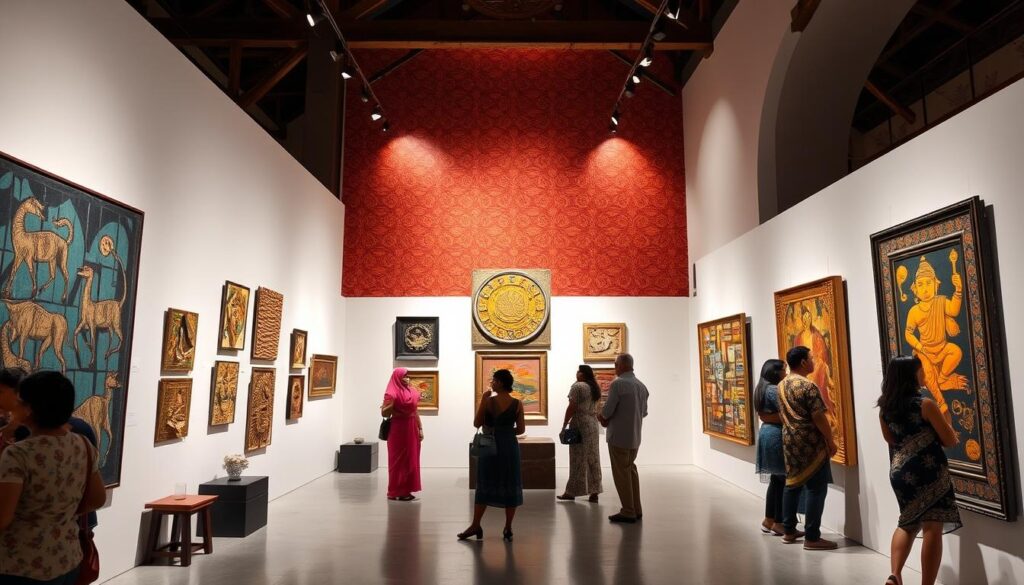
The 60th Venice Biennale in 2024 will showcase art from around the world. Sri Lankan artists will display their unique styles and viewpoints at this famous event. This exhibition offers a chance for cultural exchange and dialogue.

The Venice Biennale has a long history of featuring artists from many countries. Including Sri Lankan artists shows growing recognition of their contemporary art. George Keyt, a famous Sri Lankan painter, blended European and South Asian styles in his work.

Sri Lankan Artists Exhibit at Venice Biennale 2024

The 2024 Venice Biennale will feature 331 artists, more than the 213 in 2022. It will have two main sections: “Nucleo Contemporaneo” and “Nucleo Storico”. These focus on contemporary and historical artworks.

The “Nucleo Storico” section will explore global modernisms and modernisms of the Global South. It will look at portraiture, abstraction, and Italian diaspora in the Global South.

Sri Lankan artists at the Venice Biennale 2024 show the country’s thriving art scene. They can share ideas with artists from other countries. This exchange helps enrich global art discussions and understanding.

Key Takeaways

  • Sri Lankan artists will exhibit their works at the prestigious Venice Biennale in 2024, showcasing contemporary Sri Lankan art on the international stage.
  • The inclusion of Sri Lankan artists in the Venice Biennale highlights the growing recognition of the country’s thriving contemporary art scene.
  • The exhibition will feature a record number of 331 artists, divided into two main sections focusing on contemporary and historical artworks.
  • The participation of Sri Lankan artists provides opportunities for cross-cultural dialogues and collaborations with international artists.
  • The Venice Biennale serves as a platform for cultural representation and the exchange of diverse artistic perspectives.

Contemporary Sri Lankan Art Takes Center Stage at Venice Biennale

The Venice Biennale 2024 will showcase Sri Lanka’s vibrant contemporary art scene. This prestigious exhibition offers a global platform for emerging and established artists from the island nation.

Celebrating Artistic Diversity and Cultural Representation

Sri Lankan artists will represent their country’s rich cultural heritage at the Venice Biennale. The event features 88 national pavilions and attracts art enthusiasts worldwide.

These artists will contribute to discussions on South Asian art in the global scene. Their participation highlights the importance of diverse cultural perspectives in contemporary art.

Showcasing Emerging Talents and Established Artists

Renowned sculptor Chandraguptha Thenuwara will present his work “Covert” at the Palazzo Mora. His participation demonstrates the recognition of established Sri Lankan artists internationally.

The Biennale will also serve as a launchpad for emerging talents. It offers them exposure to a global audience and opportunities for cross-cultural collaborations.

This event marks a pivotal moment for contemporary Sri Lankan art. Artists will showcase their unique styles and address important social, political, and cultural issues.

Sri Lankan Artists Exhibit at Venice Biennale 2024

Sri Lankan artists will shine at the Venice Biennale 2024. They’ll showcase their unique artistic narratives and styles. This event celebrates global contemporary art practices.

Exploring Unique Artistic Narratives and Styles

Chandraguptha Thenuwara’s “Covert” was featured at the 2022 Venice Biennale. The eight-foot-tall iron sculpture took a year to make. It uses symbols and drawings that reflect Sri Lanka’s context.

Thenuwara’s 25-year art career critiques parliament and government. His work balances visual appeal with deep themes. He uses imagery like Lotus Buds, Stupas, and Barbed Wire.

Engaging in Cross-Cultural Dialogues and Collaborations

The 2024 Biennale will spark global dialogues for Sri Lankan artists. It’ll showcase their rich, diverse contemporary art. This exposure will boost understanding of Sri Lanka’s artistic heritage worldwide.

The Biennale focuses on new participants and inclusivity. It features Indigenous and queer artists in the Nucleo Contemporaneo section. The Disobedience Archive shows works by 39 artists from 1975 to 2023.

The Impact of Sri Lankan Art on the Global Art Scene

Sri Lankan artists are making waves at the Venice Biennale 2024. Their unique talents are gaining worldwide recognition. This event showcases diverse artists, from self-taught creators to established masters.

The Biennale is a hub for cultural exchange. It allows Sri Lankan artists to connect with international peers. They can engage in cross-cultural dialogues and collaborations.

The exhibition features various art forms. These include installations, textiles, sculptures, and paintings. A standout piece is the mural “Diaspore” (2024).

Indian artists Karnika Bai, Shanthi Muniswamy, and Jyothi H created this work. It’s part of the Aravani Art Project. The mural showcases the region’s rich cultural heritage.

The exhibition honors Sri Lankan art history too. One room displays paintings by Italian ex-pats. Another presents works by American artist Louis Fratino.

Sri Lanka’s art scene has been shaped by key movements. The Ceylon Society of Arts, founded in 1887, boosted cultural identity post-independence.

The 43 group, formed in 1943, included notable painters. George Keyt, Ivan Peries, and Richard Gabriel gained fame for their unique styles.

Justin Pieris Daraniyagala won a UNESCO prize at the 1953 Venice Biennale. This achievement solidified Sri Lanka’s place in global art.

The Venice Biennale 2024 will boost Sri Lankan art’s status. It will increase appreciation for the country’s contemporary art practices.

Sri Lankan artists continue to break new ground. Their work enriches the global art scene. It promotes cultural understanding and dialogue worldwide.