FAO and Norway Collaborate to Enhance Fisheries Resilience

FAO and Norway Collaborate to Enhance Fisheries Resilience

The FAO and Norad are teaming up to strengthen Sri Lanka’s fisheries and aquaculture sector. This international cooperation aims to boost sustainable fishing and support the country’s blue economy. The goal is to ensure food security and promote responsible practices.

Fish is crucial for Sri Lanka’s protein needs. Over half of the nation’s animal protein comes from fish consumption. However, the industry faces many challenges.

Rising fuel prices and production costs are major issues. Fish loss along the value chain also impacts product affordability. These problems particularly affect low-income groups.

The FAO-Norway project will target three main areas. First, they’ll work to stop illegal and unreported fishing. Second, they’ll increase climate change resilience. Third, they’ll reduce food waste in the fisheries chain.

The project will provide technical support to various groups. These include policymakers, management experts, and industry professionals. Fishers, fish farmers, and fish workers will also receive help.

The aim is to boost Sri Lanka’s fisheries sector through responsible resource use. Marine conservation will play a key role in this effort. This will contribute to the country’s overall socio-economic growth.

Sri Lanka’s Fisheries Sector Faces Challenges

Sri Lanka’s fisheries industry supports 2.5 million coastal residents. It’s struggling amid the country’s economic crisis. The sector provides half of Sri Lankans’ animal protein but faces rising fuel prices and costs.

Economic Crisis Impacts Fisheries Industry

Fuel price hikes have hit the fisheries sector hard. Higher costs make it tough for fishers to earn a living. As a result, fish prices have increased, affecting low-income groups.

Rising Fuel Prices and Production Costs Affect Affordability

Fish is a key protein source for Sri Lankans. But soaring costs have made it less affordable for many households. This raises concerns about people’s nutrition, especially in lower-income groups.

Fish Loss and Waste Along the Value Chain

Sri Lanka’s fisheries face fish loss and waste issues. Poor cold storage and transport lead to post-harvest losses. This reduces fish supply in the market.

Addressing these problems is vital for food security. It’s also crucial for maintaining the sector’s long-term sustainability.

FAO and Norway Collaborate to Enhance Resilience in Fisheries Sector

FAO and Norway are teaming up to boost Sri Lanka’s fisheries sector. They’re focusing on responsible use of resources and building capacity. Their project aims to improve fisheries governance, fight illegal fishing, and adapt to climate change.

FAO delivered two climate-resilient fishing boats to the Ministry of Fisheries. These boats, SL20 and SL23, cost about LKR 9 million. The project also introduced 30 modified fish display stalls across Sri Lanka.

Developing Capacities to Combat Illegal, Unreported, and Unregulated Fishing

The project aims to fight illegal, unreported, and unregulated (IUU) fishing. It’s implementing Port State Measures and improving marine resources management. These efforts protect small-scale fishers’ livelihoods and ensure food security in Sri Lanka.

Increasing Resilience to Climate Change

Sri Lanka’s fisheries sector is vulnerable to climate change impacts. The project builds resilience through training and new technologies. Climate-resilient fishing boats are helping the sector adapt to changing conditions.

Reducing Food Loss and Waste in the Fisheries Value Chain

A NARA study found poor maintenance practices among Sri Lankan fish retailers. This leads to significant post-harvest losses. FAO’s new fish display stalls promote better handling and storage practices.

These stalls aim to reduce food loss along the fisheries value chain. The FAO-Norway partnership shows commitment to sustainable fisheries development in Sri Lanka. It addresses IUU fishing, climate change, and post-harvest losses.

This project aims to improve fishing communities’ well-being. It also ensures responsible use of fisheries resources for future generations.

Introducing Technology Upgrades for Sustainability

The FAO is boosting Sri Lanka’s fisheries with new tech upgrades. These aim to tackle issues like post-harvest losses and high fuel use. Advanced cooling, fuel-efficient tech, and AI apps will improve the industry’s sustainability.

Advanced Cooling Systems to Reduce Post-Harvest Losses

New cooling systems on multi-day fishing boats help cut post-harvest losses. These systems keep fish fresh and high-quality. This increases market value and reduces waste.

The upgrade benefits fishermen financially and supports food security. More of the catch now reaches consumers in better condition.

Fuel-Efficient Bulbous Bow Technology to Cut Fuel Consumption

The FAO has added fuel-efficient bulbous bow tech to fishing boats. This design change cuts drag and boosts efficiency. Boats with this tech can save up to 13% on fuel.

Lower fuel use means less cost for fishermen. It also reduces harmful emissions. This tech makes fishing more eco-friendly and cost-effective.

AI-Powered Mobile App for Real-Time Fish Quality Assessment

An AI-powered app now helps assess fish quality in real-time. It quickly checks catch quality against Yellowfin Tuna export standards. The app gives instant feedback on freshness, size, and overall condition.

This tool helps fishers and processors make smart choices. It boosts operations and meets global market needs. The app improves competitiveness and promotes sustainable fishing practices.
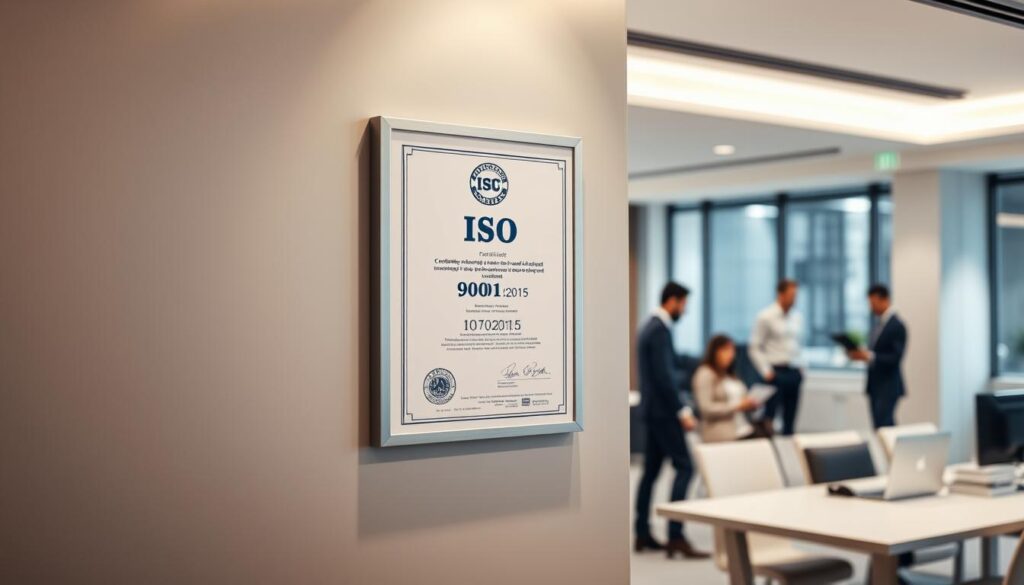
HNB Procurement Earns ISO 9001:2015 Certification

HNB Procurement Earns ISO 9001:2015 Certification

HNB Procurement Function Earns Prestigious ISO 9001:2015 Certification

Hatton National Bank PLC (HNB) continues to stand out as a top financial institution in Sri Lanka. It has recently achieved the ISO 9001:2015 certification for its Procurement Function. This shows the bank’s constant push for excellence in all its operations. Bureau Veritas acknowledged this certification, covering HNB Procurement processes like IT, Stationery, and General Procurement. These processes are within its Banking Services Department. This sets a global benchmark for quality management.

As a leader among Sri Lanka’s private banks, HNB has 254 customer centers. Its chase for the 2015 certification is backed by a history of excellence. Winning ‘The Best Bank – Sri Lanka’ at the Emerging Asia Banking Conclave and Awards and being named Best Retail Bank by the Asian Banker Awards show its commitment to top service. The ISO 9001:2015 certification adds to HNB’s collection of ISO recognitions. These include Inward Remittance, Outward Remittance, Centralized Operations, Centralized Credit Operations, and Credit Administration Departments.

The HNB ISO Certification boosts operational efficiency and improves supplier relations. It also lowers procurement errors. This award came after a detailed audit that checked most of HNB’s procurement activities. The bank noted big improvements in procurement, including more efficiency and fewer mistakes. These gains came from specialized training for the Procurement staff. These improvements after getting the ISO certification highlight HNB’s ongoing commitment to doing better and keeping stakeholders happy.

HNB Procurement Function Earns Prestigious ISO 9001:2015 Certification

The HNB Procurement Function now has the ISO 9001:2015 certification. This marks a big improvement in how it operates. It not only shows that HNB leads in banking innovation, but also its strong commitment to top service and client happiness. The 2015 certified procurement practices place it among the best in Sri Lanka’s banking world.

Significance of ISO 9001:2015 Certification for HNB Procurement

The ISO 9001:2015 award highlights the HNB Procurement Function’s aim for global quality standards. Achieving this level proves HNB’s quality management system is strong, making its procurement practices more reliable and efficient. This achievement also builds more trust with suppliers and partners, leading to better and more innovative procurement.

Rigorous Process of Achieving the ISO 9001:2015

Gaining the ISO 9001:2015 certification required a detailed review of HNB’s buying processes. This close examination made sure all operations met the highest quality standards. The procurement team had to show excellence in areas like IT, stationery, and general buying to meet the strict ISO criteria.

Department Certification Year Scope
HNB Procurement Function 2024 IT Procurement, Stationery Procurement, General Procurement
Centralized Operations 2024 Centralized Operations for banking services
Credit Administration 2024 Administering Credit Operations
Inward and Outward Remittance 2024 Handling of internal and external remittances

Earning the HNB Procurement ISO 9001 certification is a big achievement for the bank. It’s seen as a sign of trust and efficiency by partners and clients. HNB is dedicated to keeping its high standards in the tough world of finance.

Comprehensive Quality Management Frameworks at HNB

Hatton National Bank (HNB) has boosted its service quality. It got the ISO 9001:2015 certification for various procurement and operational areas. This award by Bureau Veritas shows HNB’s strong focus on top-notch quality management in financial services.

This honor covers important areas like IT, Stationery, and General Procurement. It shows the bank’s efficiency and its ability to meet global standards. These standards aim to make customers happier and improve how things run.

HNB’s quest for top quality doesn’t stop with procurement. Other key areas also achieved the 2015 certification. This includes divisions like Inward and Outward Remittance and Centralized Credit Operations. It marks a full embrace of quality-first strategies.

HNB operates a vast network of 254 customer centers. It’s one of Sri Lanka’s big private banks and focuses on tech innovation. The bank has won titles like Best Retail Bank and Best Bank in Sri Lanka at major awards.

The ISO 9001:2015 certification of HNB’s procurement is part of a broader quality focus. This approach is essential for growth in a shaky economy. It also helps build a strong brand that meets market and consumer needs.

Expanding Excellence: HNB’s Commitment to Service Quality

HNB is dedicated to outstanding customer service and improving customer experiences. It earned the 2015 certification in HNB Procurement. This shows HNB’s deep commitment to quality management in the finance sector.

By following the HNB Procurement ISO Certification standards, HNB proves its commitment. It aims to exceed customer expectations through quality service.

Impact of ISO 9001:2015 on Customer Experience

The ISO 9001:2015 isn’t just for show; it’s how HNB assures top-notch customer service. Thanks to the 2015 certification, customers can rely on HNB’s services. It shows HNB is proactive about quality and has systematic processes in place.

These achievements highlight HNB’s longstanding reputation for excellence. This includes being named ‘Sri Lanka’s Best Bank’ by Euromoney Magazine.

Supporting Strategic Goals Through Improved Operations

HNB’s certification under ISO 9001:2015 aligns with its strategic goals. It aims to be the leader and most trusted bank in Sri Lanka. The AA- rating from Fitch Ratings (Lanka) Ltd and awards, like ‘Best Managed Bank in Sri Lanka,’ show HNB’s commitment to excellence.

The efficiencies from the HNB Procurement ISO Certification support HNB’s aim for continual excellence.

Expanding Excellence: HNB’s Commitment to Service Quality

What does HNB Procurement Function’s ISO 9001:2015 certification signify?

The ISO 9001:2015 certification shows HNB Procurement Function meets high global standards. It proves HNB’s dedication to quality, customer happiness, and ongoing improvement. They work hard to make sure their purchasing processes are top-notch.

Who provided the ISO 9001:2015 certification to HNB’s Procurement Function?

Bureau Veritas, a world leader in testing, inspection, and certification, gave HNB the ISO 9001:2015 certification.

Which areas of HNB Procurement Function have been certified under the ISO 9001:2015?

The certification covers several areas like IT, Stationery, and General Procurement at HNB.

How does the ISO 9001:2015 certification impact the customer experience at HNB?

This certification means HNB works more efficiently and uniformly, leading to a better customer experience. It assures customers that HNB values quality and aims for constant improvement.

What role did HNB management play in achieving the ISO 9001:2015 certification?

Indrajith Senadhira and Roshan Fernando, HNB’s managers, played key roles in getting the ISO 9001:2015 certification. They showed HNB’s commitment to quality and consistent customer service.

Can you explain the process HNB underwent to achieve the ISO 9001:2015 certification?

HNB went through strict evaluation and documentation to ensure they matched ISO 9001:2015 standards. This involved meeting international quality management benchmarks and being audited by Bureau Veritas.

Are any other departments within HNB ISO 9001:2015 certified?

Yes, other departments at HNB also have the ISO 9001:2015 certification. This shows a broad commitment to quality throughout HNB.

What benefits does the ISO 9001:2015 certification provide to HNB?

The ISO certification brings HNB many advantages, like better operations, happier customers, strong supply chain management, and compliance with quality standards. These benefits help HNB keep its strong reputation in the finance industry.

Significance of ISO 9001:2015 Certification for HNB Procurement

The ISO 9001:2015 certification is vital for HNB Procurement. It globally acknowledges the bank’s procurement processes. This gives HNB a competitive advantage and highlights its dedication to excellence and customer satisfaction.

Rigorous Process of Achieving the ISO 9001:2015

Getting the ISO 9001:2015 certificate required a detailed evaluation. HNB assessed its processes and documentation, stuck to the standards, and proved its commitment to ongoing improvement.

Impact of ISO 9001:2015 on Customer Experience

The ISO 9001:2015 improves customer experience by focusing on quality and reliability. It leads to more customer satisfaction and trust in HNB.

Supporting Strategic Goals Through Improved Operations

The certification helps HNB reach its strategic goals. It ensures operations are optimized, reduces errors, and encourages a culture of excellence. This helps HNB grow and succeed.

Sri Lanka Central Bank Raises Interest Rates 2023

Sri Lanka Central Bank Raises Interest Rates 2023

The Central Bank of Sri Lanka has raised key policy interest rates to fight inflation. This move aims to support economic recovery and align with IMF negotiations. The CBSL increased the SDFR and SLFR by 100 basis points each.

This rate hike addresses Sri Lanka’s high inflation, which peaked in September 2022. The economy shrank by 9.2% last year, with inflation hitting 50% in February. The central bank had already raised rates by 950 basis points in 2022.

Central Bank Raises Interest Rates to Combat Soaring Inflation

The CBSL’s decision aligns with IMF staff recommendations. It’s a key step towards securing the $2.9 billion IMF bailout package. Sri Lanka is restructuring its debt before IMF funds can be released.

The country seeks approval under a special Lending Into Official Arrears policy. India and the Paris Club of creditors have offered their support in this process.

These changes aim to reduce the gap between policy and market interest rates. The CBSL expects single-digit inflation by late 2023. They also anticipate a continued decrease in market interest rates.

Stable monetary policies are crucial for Sri Lanka’s economic recovery. They support long-term growth and reinforce the importance of price stability. These measures are essential for sustained economic development in the country.

Central Bank Raises Interest Rates to Combat Soaring Inflation

Sri Lanka’s Central Bank has raised policy interest rates to tackle rising inflation. This action aligns with IMF negotiations and the Extended Fund Facility arrangement. The goal is to reduce the gap between policy and market interest rates.

This move aims to ease pressure on consumer spending and the overall economy. It’s a crucial step towards economic stability and growth.

Interest rates and cost of borrowing

Monetary Board Decision to Raise Policy Interest Rates

The Central Bank’s Monetary Board agreed with IMF staff to increase policy interest rates. The raise was smaller than initially planned during negotiations. This decision helps fulfill ‘prior actions’ needed for the IMF Extended Fund Facility arrangement.

Standing Deposit Facility Rate (SDFR) and Standing Lending Facility Rate (SLFR) Increased

The Monetary Board increased the Standing Deposit Facility Rate to 15.50%. They also raised the Standing Lending Facility Rate to 16.50%. These changes took effect from March 3, 2023.

This decision shows the Central Bank’s commitment to fighting inflation and stabilizing the economy. It’s a significant step towards financial stability.

Policy Rate Previous Rate New Rate (Effective 03 March 2023)
Standing Deposit Facility Rate (SDFR) 14.50% 15.50%
Standing Lending Facility Rate (SLFR) 15.50% 16.50%

Impact on Lending Rates and Cost of Borrowing

The policy interest rate increase will affect lending rates and borrowing costs in Sri Lanka. Higher rates may reduce consumer spending and investment as borrowing becomes pricier.

However, this measure is crucial to control inflation and prevent future economic instability. It’s a necessary step towards long-term financial health.

Reasons Behind the Interest Rate Hike

Sri Lanka raised interest rates to support its IMF-EFF arrangement. This move aims to boost economic stability and attract foreign exchange. It’s part of ongoing talks with the IMF to tackle economic challenges.

The Monetary Board expects this hike to close the gap between policy and market rates. As Sri Lanka restructures its debt, this gap should shrink further. This will create a more stable financial environment for growth.

Negotiations with the International Monetary Fund (IMF)

Sri Lanka is working closely with the IMF for economic recovery. The IMF’s support is crucial for addressing current challenges. Their involvement will guide economic reforms and debt restructuring for long-term stability.

Commitment to the IMF Extended Fund Facility (EFF) Arrangement

The interest rate hike shows Sri Lanka’s dedication to the IMF-EFF plan. This plan outlines steps for economic recovery. Following this arrangement aims to restore confidence and attract foreign investment.

Aim to Lower the Spread Between Policy Interest Rates and High Market Interest Rates

Raising interest rates should help align policy and market rates. This alignment is key for financial stability. As debt restructuring progresses, the rate spread should narrow further.

Conclusion

The Central Bank of Sri Lanka’s interest rate hike aims to ensure price and economic stability. This decision aligns with the IMF Extended Fund Facility (EFF) arrangement. It’s a crucial step towards normalizing the interest rate structure and combating inflation.

The rate increase is expected to quickly slow down inflation. Similar actions by central banks worldwide have shown positive results. The US Federal Reserve and European Central Bank have also raised rates to address rising prices.

Rising rates may challenge emerging economies’ financial stability and capital inflows. However, Sri Lanka remains committed to overcoming these obstacles. The country’s focus on stability aims to create a growth-friendly environment.

The recent surge in Sri Lanka’s agricultural exports shows the nation’s resilience. This growth potential supports the country’s economic recovery efforts.

Sri Lanka’s proactive approach to economic challenges is clear. The Central Bank’s actions and commitment to the IMF arrangement demonstrate this. These efforts position the country well for sustainable growth and a prosperous future.

Rajapaksa Returns to Sri Lanka After Self-Imposed Exile

Rajapaksa Returns to Sri Lanka After Self-Imposed Exile

On September 2, 2022, Sri Lanka welcomed back former President Rajapaksa after his self-imposed exile. He had left due to a painful economic crisis and civil unrest. During his exile, Rajapaksa visited countries like the Maldives, Singapore, and Thailand. He returned with tight security but without public media at the airport. A defense ministry spokesperson confirmed his return and assured he would receive proper security. Rajapaksa Sri Lanka return happens as the nation faces tough economic problems.

Key Takeaways

  • Sri Lanka’s economic crisis has led to an inflation rate of around 65%.
  • The country is facing a staggering $51 billion debt, with the IMF proposing a $2.9 billion loan subject to stringent fiscal reforms and debt restructuring.
  • Privatization of certain public sector units is under consideration, which might ignite resistance from trade unions worried about job security.
  • An innovative system requiring vehicles to have a QR code for fuel purchases has been implemented, though resulting in long queues.
  • Mahinda and Gotabaya Rajapaksa have been pivotal in the nation’s politics, the former president and the latter as both President and Defence Secretary.
  • With just over a month spent abroad, former President Rajapaksa returns to Sri Lanka after self-imposed exile, stepping into a climate of continued public frustration.
  • Rajapaksa latest updates are significant in the context of Sri Lanka’s ongoing struggle with economic hardship and political stability.

The Circumstances Around Former President Rajapaksa’s Departure and Exile

Gotabaya Rajapaksa’s time as president happened during Sri Lanka’s worst economic crisis. His leaving the country shows a crucial time in its history. Bad management led to this crisis and increased public anger.

Escalation of Protests and Economic Crisis Preceding the Exodus

Sri Lanka faced a severe downturn, with not enough basic goods and high inflation. Rajapaksa’s policies made the economy worse, leading to bankruptcy. This was a first for the country since becoming independent in 1948. As life got harder, more people protested against Rajapaksa, asking for accountability and change.

Fateful July: Presidential Evacuation and Public Uprising

July 2022 was a crucial time for Sri Lanka because of constant protests. Gotabaya Rajapaksa had to leave the presidential home when protesters got in. This showed how serious the unrest was. It led to Rajapaksa’s resignation, which he gave from abroad.

Rajapaksa’s International Haven: From Maldives to Singapore and Thailand

After leaving Sri Lanka suddenly, Rajapaksa first went to the Maldives, then to Singapore where he resigned. Then he moved to Thailand, always looking for safety. Each stop was part of his journey after losing power. It shows his fall while his country was in economic and governance crises.

The economic meltdown in Sri Lanka shows deeper issues. For instance, reversing an organic farming policy is crucial to see the impact of such decisions during crises. Abrupt changes without solid planning or support can cause problems, as seen in Sri Lanka’s shift from organic farming.

Former President Rajapaksa Returns to Sri Lanka After Self-Imposed Exile

Ex-President Rajapaksa is back in Sri Lanka after 52 days away. His return brings tight security and lots of questions about its impact. This part talks about his arrival, people’s reactions, and Sri Lanka’s economic issues.

Enigmatic Arrival Under Tight Security

Rajapaksa’s arrival was closely watched due to safety and unrest fears. He returned with high security. This included a new army and police squad, ensuring his safe trip to Colombo.

Public Response and Political Implications

People’s reactions to Rajapaksa’s return are mixed. Some don’t mind his return, seeing it as his right. But, others want him to face charges for corruption and mismanagement. Politicians too are split, affecting Sri Lanka’s stability and public trust.

Sri Lanka’s Ongoing Struggle with Economic Hardships

Rajapaksa comes back to a country facing an economic crisis. Despite an IMF bailout promise, Sri Lanka struggles with GDP shrinkage and item shortages. Inflation over 65% worsens these issues, impacting people’s lives and causing dissatisfaction.

This situation raises questions about Sri Lanka’s recovery and stability with Rajapaksa back. Looking ahead, his role in the country’s future is crucial to watch.

Examining the Impact of Rajapaksa’s Return on Sri Lankan Politics

Gotabaya Rajapaksa’s comeback has stirred the political scene in Sri Lanka, highlighting ongoing issues since he left office. His time as president saw economic challenges grow, with foreign reserves dropping dramatically. In less than two years, reserves went from USD 8 billion to USD 2 billion. This situation has led to severe power outages and a worrying increase in child malnutrition.

India has been a key helper since January 2022, providing over USD 3.5 billion in aid. Yet, moving towards organic farming has hurt the economy, especially in tea and rice production. This shift has made economic stability harder to achieve. The effects of Rajapaksa’s return could either quicken recovery or deepen the chaos. His resignation, driven by public outcry, has left a lasting mark on political accountability in Sri Lanka.

Citizens are concerned that Rajapaksa’s return might reignite past problems. Discussions are ongoing about the potential for legal actions to address previous issues. The government’s handling of fuel and food shortages is critical to either stabilizing the country or sparking more protests. With OMP Sri Lanka providing vital updates, the public stays informed about their nation’s developments.

Sri Lanka Inflation Hits 70% in Economic Crisis

Sri Lanka Inflation Hits 70% in Economic Crisis

In September 2022, Sri Lanka’s Inflation surged to a shocking 70%. This reflects the severe Inflation Crisis Sri Lanka is facing. The country has been through tough economic times since it gained independence.

Sri Lanka is now seeking the International Monetary Fund (IMF)’s aid. Talks about a bailout are underway. This isn’t new. Since 1965, Sri Lanka has sought IMF’s help sixteen times. A strict set of reforms may follow this rescue, typical of IMF agreements. Find out more about Sri Lanka’s economic situation and IMF involvement here.

The country also relies on other financial support, including loans from the Asian Development Bank and World Bank. These add up to US$12.13 billion. Despite this, Sri Lanka has looked towards Foreign Direct Investment (FDI) and remittances from overseas. However, COVID-19 has greatly reduced these remittances, worsening the financial strain.

The Sri Lanka Economic Turmoil requires immediate, smart steps towards recovery. Thankfully, there’s a silver lining. Recent trends show a decrease in inflation. This hints at a possible stabilization. Learn more about the government’s actions against the inflation crisis.

Sri Lanka's Inflation Peaks at 70% Amidst Economic Turmoil

Understanding Sri Lanka’s Inflation Crisis

Sri Lanka is facing tough economic times, and the rise in inflation is a big concern. This hike is vividly shown by the jump in the National Consumer Price Index (NCPI). This index measures how much prices have gone up.

Breaking Down the National Consumer Price Index Surge

Last May, prices went up by 45.3% compared to the year before, as shown by the NCPI. This major increase comes from higher prices for many consumer goods. It makes the cost of living in Sri Lanka more expensive, leading to tough economic challenges.

Food Inflation and Energy Costs’ Impact on Inflation Rates

Food inflation alone rose to 58% from the previous year. This happened as energy prices shot up. Higher energy costs also mean more expensive transportation and production. All these elements together push the inflation rate higher in Sri Lanka.

Rising Prices Sri Lanka

To fix the economy, Sri Lanka is trying various reforms. The Central Bank has tweaked its policies to meet these challenges. The country is also looking for help through global partnerships. This includes a key deal with the International Monetary Fund (IMF). The aim is to control inflation and get financial help during these hard times.

New measures are being set up to deal with inflation’s impacts. One priority is to change cash transfer programs. These changes are meant to help those hit hardest by the rising costs.

Year Annual Inflation Rate Main Contributing Factors
2022 70% Post-pandemic economic disruption, high energy costs
Mid-2023 12% Regulatory measures, international aid

As Sri Lanka works towards economic recovery, monitoring inflation is crucial. The government and analysts are focused on reducing the negative impacts. Their goal is to create a stable economic future for the country.

Sri Lanka’s Economic Turmoil and the Role of International Aid

Sri Lanka faces tough times with a huge 70% inflation rate. This situation causes much economic uncertainty. Fortunately, the country is seeking help from international partners. This assistance is crucial for them now, just like it was for other countries in the past.

Learning from nations like Germany and Zimbabwe, unchecked inflation can hurt economies badly. It lowers living standards and shakes confidence in the market. So, international help is very important for Sri Lanka. It will help stop economic decline and bring back stability.

The IMF’s extended fund facility gave crucial support during this economic crisis. This deal, worth $2.9 billion, marks Sri Lanka’s 17th time getting help from the IMF. It aims to fix the country’s debt issues and improve economic health.

Reforming monetary policy is a key part of the plan. It will handle inflation and help keep the economy stable. This approach is vital for Sri Lanka’s future growth and economic stability.

International aid for Sri Lanka isn’t just from the IMF. The World Bank and the Asian Development Bank also plan to help. They intend to provide around $4 billion more. This global support is a ray of hope for the country.

These funds aim to stop the inflation and support recovery. They back up programs improving education and helping children. These efforts are already making a difference during these hard times. With high inflation, such reforms are necessary.

Projects like the Climate Resilience initiative are also key. They focus on improving agriculture and building stronger infrastructures. These steps are essential for Sri Lanka’s economic recovery and growth.